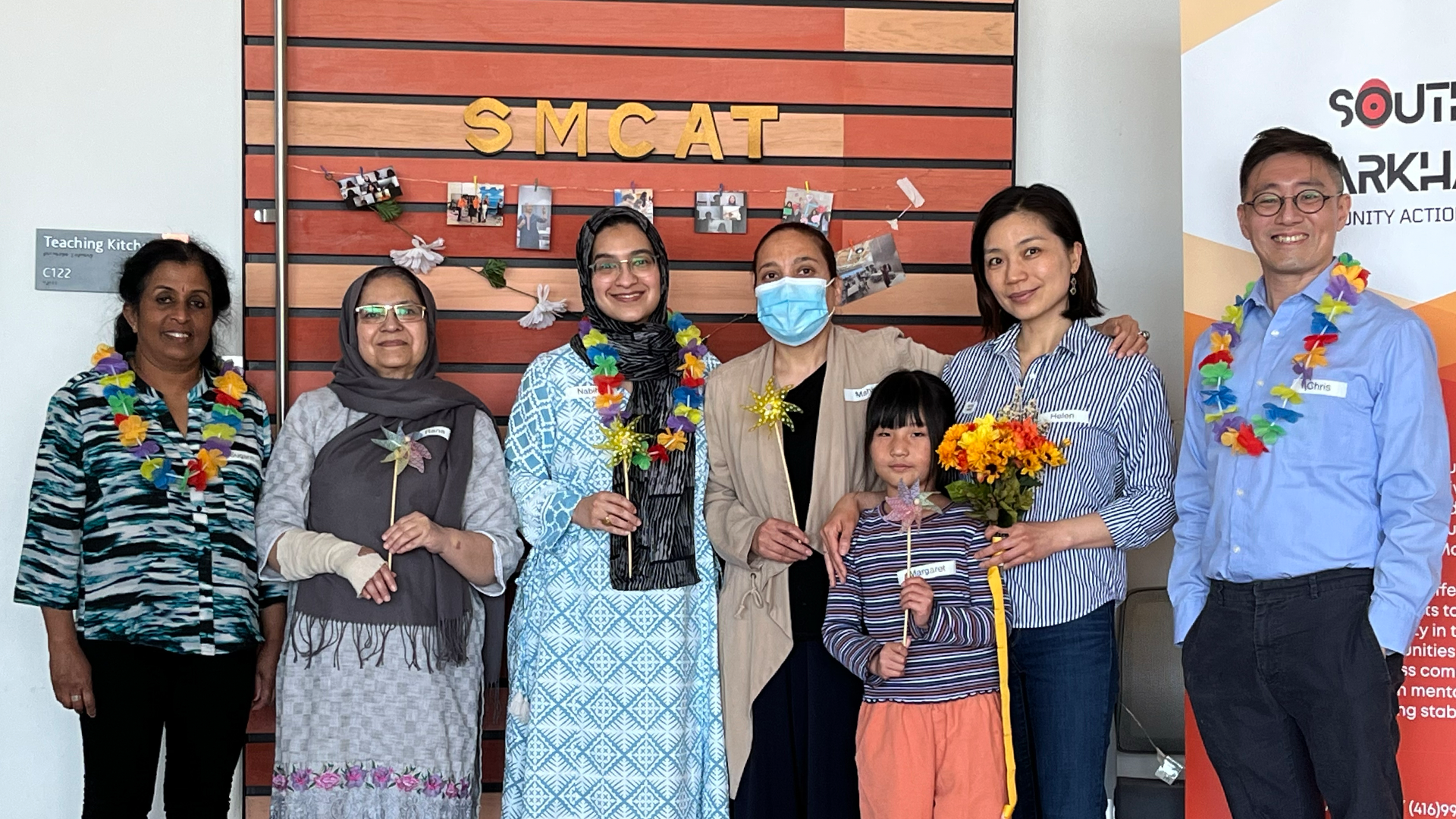
Years of groundwork, growing trust and resident leadership are setting the stage for the next phase of South Markham community development.
This is the final instalment in a three‑part series exploring United Way Greater Toronto’s neighbourhoods work. Throughout the series, we’re sharing what’s happening on the ground in Jane‑Finch, Cooksville and South Markham — three communities at different stages of the same long‑term journey toward resident‑led change — and reflecting on what they teach us about building lasting community solutions.
Some of the most important community work takes years to shape.
South Markham’s story is one of incremental, deliberate foundation-building — of showing up consistently, earning trust and creating the conditions for residents to lead. It doesn’t make for flashy announcements. But it’s what makes everything else possible.
United Way Greater Toronto has been investing in South Markham’s community development since around 2019, working closely with ACSA Community Services, the Community Action Lead we work with to help coordinate community-led work in the neighbourhood. Rather than launching a single standalone initiative, United Way’s approach has been rooted in long-term capacity-building — investing over time so residents can organize, test ideas and take on leadership roles in shaping community priorities.
“Our collaborative has seen the community development in Markham evolve quickly within the last 7-8 years,” says Jen Fabico-Smith, Manager of Special Projects at ACSA. “There has been a lot of championing of these collaborative efforts, and we want to keep building on this.”
“South Markham has always been about building the base,” says Alex Dow, Director, Neighbourhood Solutions at United Way Greater Toronto. “Early on, the focus wasn’t on launching big initiatives — it was on building trust, supporting resident leadership and creating the conditions where people felt confident stepping forward. That kind of foundation takes time, but it’s what makes everything else possible.”
A neighbourhood finding its voice
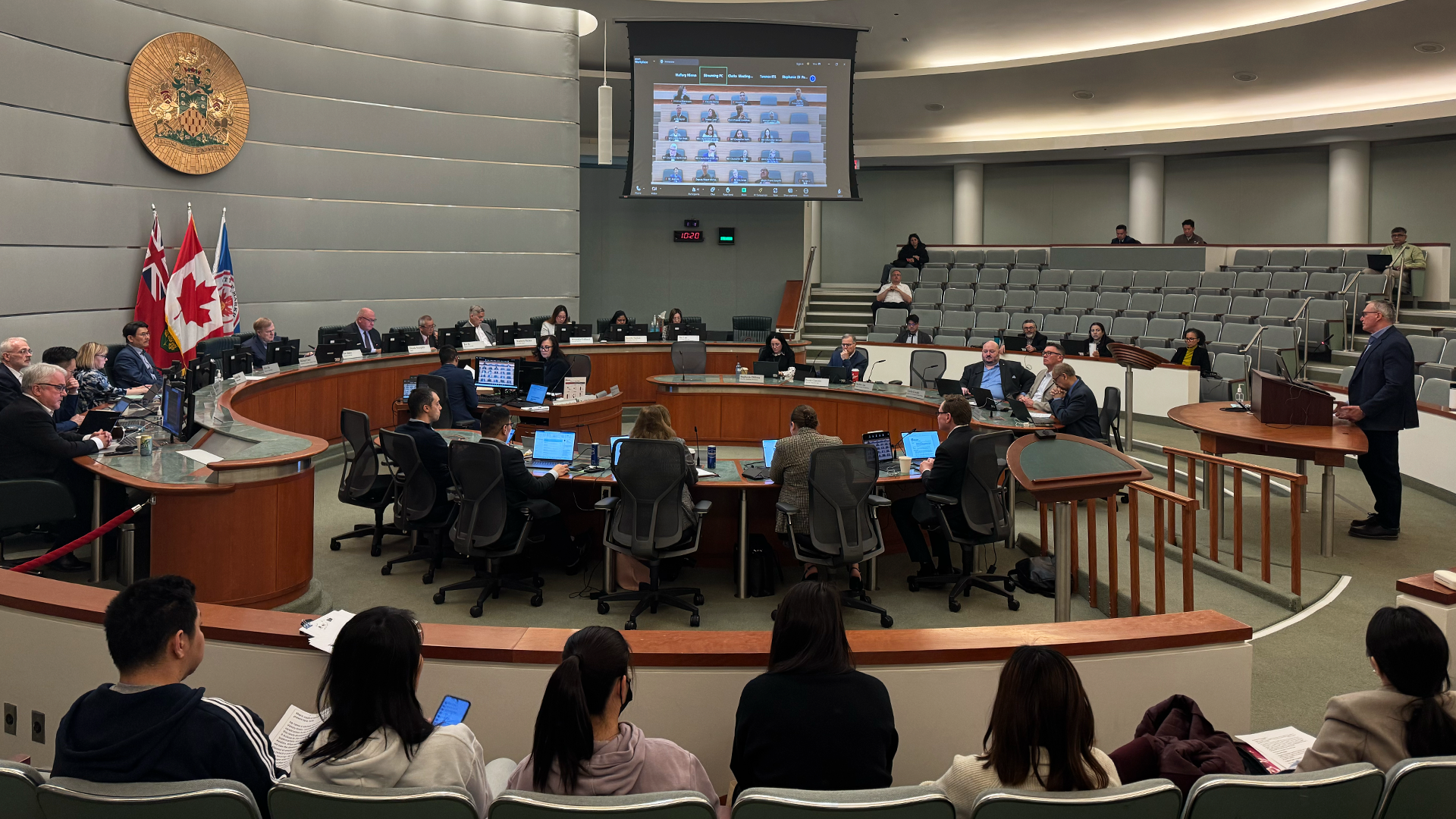
South Markham is a suburban, spread-out community — still growing, still developing the civic infrastructure that older, denser neighbourhoods take for granted. Residents have always had concerns and ideas. What’s been missing, until recently, is a clear pathway for those voices to connect and move things forward collectively.
The earliest phase of this work — a project called South Markham Connects — focused on building resident leadership from the ground up. Partners who had been working separately began coming together. Residents who hadn’t previously seen themselves as leaders started stepping into that role. It was slow going at first. The concept of community development — residents leading change in their own neighbourhood — was unfamiliar to many.
Over time, residents became more comfortable approaching ACSA, alongside local partners such as Seniors Services Network of York Region, CICS and Family Services York Region, to join conversations and share their perspectives. They started to see themselves as part of a wider community effort. “We’ve taken great lengths to make sure we don’t continue to act in that siloed bubble,” Jen says. “When we’re doing something, we gather everyone and ask: what are everyone’s assets? How do we make this work?”
Building on what works
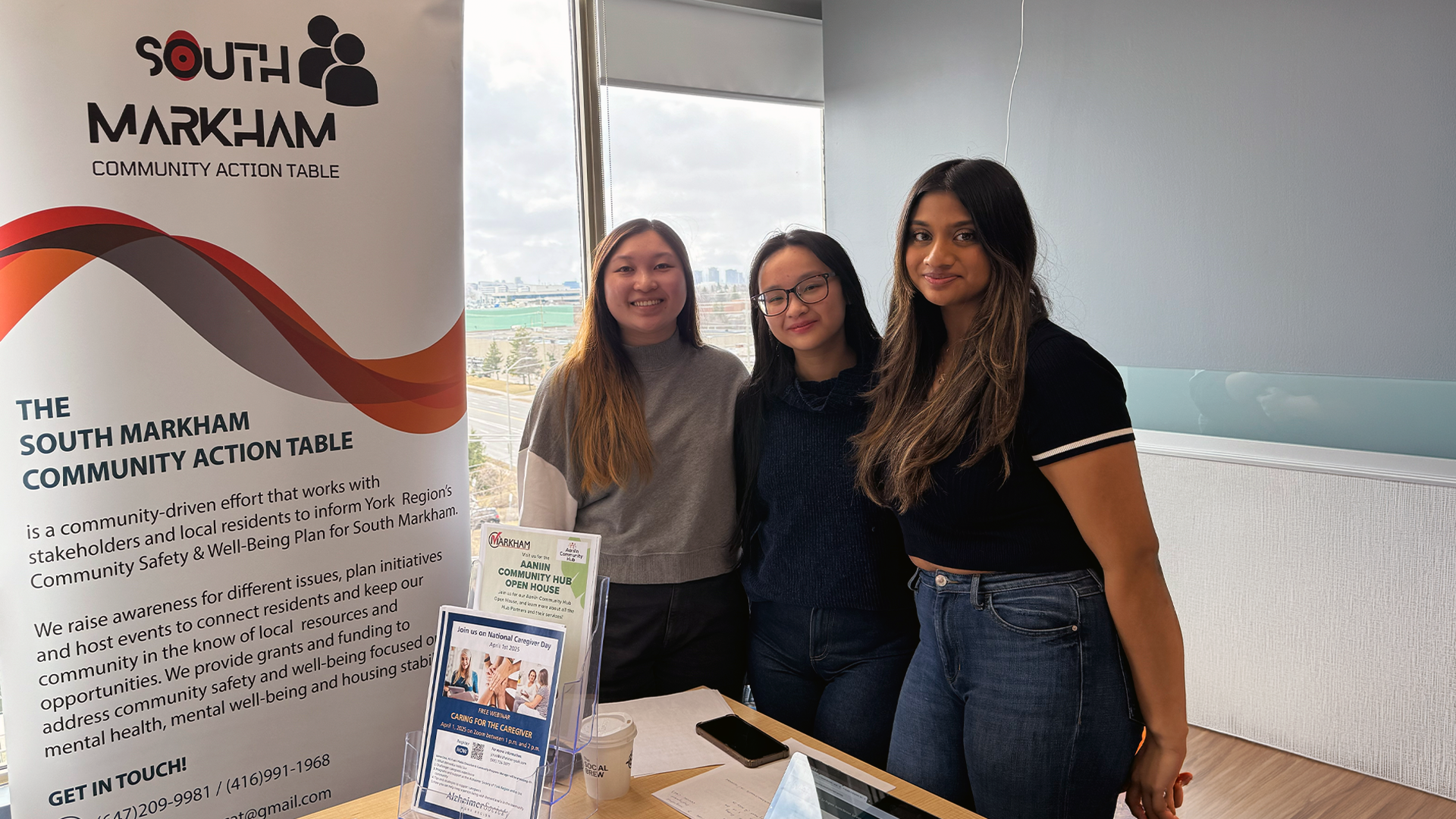
South Markham’s current community development work builds on what’s already in place rather than duplicating it.
A long‑standing Community Action Table — established through York Region’s Community Safety and Well‑Being Plan and led by ACSA in partnership with Seniors Services Network — brings together residents, community agencies, York Region representatives and the local councillor. It creates a consistent space for shared planning and accountability.
The new Community Action Plan builds directly on that foundation and broadens the scope — adding community spaces and services and economic stability to the previously identified priorities of mental health and housing, reflecting what partners and residents have been raising with growing urgency.
“These aren’t things that just show up overnight on a report,” Jen says. “There are things that are underlying, that happen over time — a comment here or there that escalates to whole communities voicing the same type of experience.”
Economic pressures are a clear example. Rising rents, food costs, school supplies — community ambassadors are hearing more of it, and more urgently. It’s interconnected with everything else. Housing, mental health, employment. None of it exists in isolation.
Through the Community Action Table, residents and partners have also been mobilizing around housing specifically — convening summits, engaging in advocacy with developers and working with groups like interfaith organizations in Markham to elevate community concerns.
“What we see reflected in South Markham’s Community Action Plan is years of conversations coming together,” Alex says. “Resident concerns around housing, mental health and economic pressure didn’t appear overnight — the plan reflects what people have been naming consistently, and it gives partners a shared way to respond.”
From quick grants to community action
One of the clearest signs of South Markham’s evolution is the transition from Quick Action Grants to Community Action Grants.
Quick Action Grants were smaller, lower-barrier funding that gave resident groups a chance to test ideas, particularly around mental health and well‑being. Groups that had never run a formal program before could pilot something, learn and grow. The Community Action Grants take that further. They’re larger, longer-term and come with greater expectations — not just for programming, but for coordination, reporting and project management. For some groups, that’s new territory. But for many, it’s a natural next step.
“One of our resident groups went from a Quick Action Grant to now leading a Community Action Grant project,” Jen says. “They know it’s more of a challenge. They want to make sure they have everything in place. But they also want to do more — and they have the confidence now to try.”
One funded project shows what that looks like in practice. A resident leader with her own personal experiences with mental health designed a workshop that brought her community into an honest, accessible conversation about depression and mental well-being. Rather than leading with clinical language, the workshop opened with recreation — a lower-barrier entry point — and created a space where people felt safe to talk. A social worker facilitated.
Afterwards, people approached her for referrals, for more information, for help supporting someone in their lives. It came from a resident who knew her community, knew the stigma and knew how to create the conditions for something real to happen.
“Residents have built confidence, relationships and experience over time. The Community Action Grants are about matching that growth with the right level of support so ideas can deepen and scale,” Alex says.
Collaboration as practice, not principle
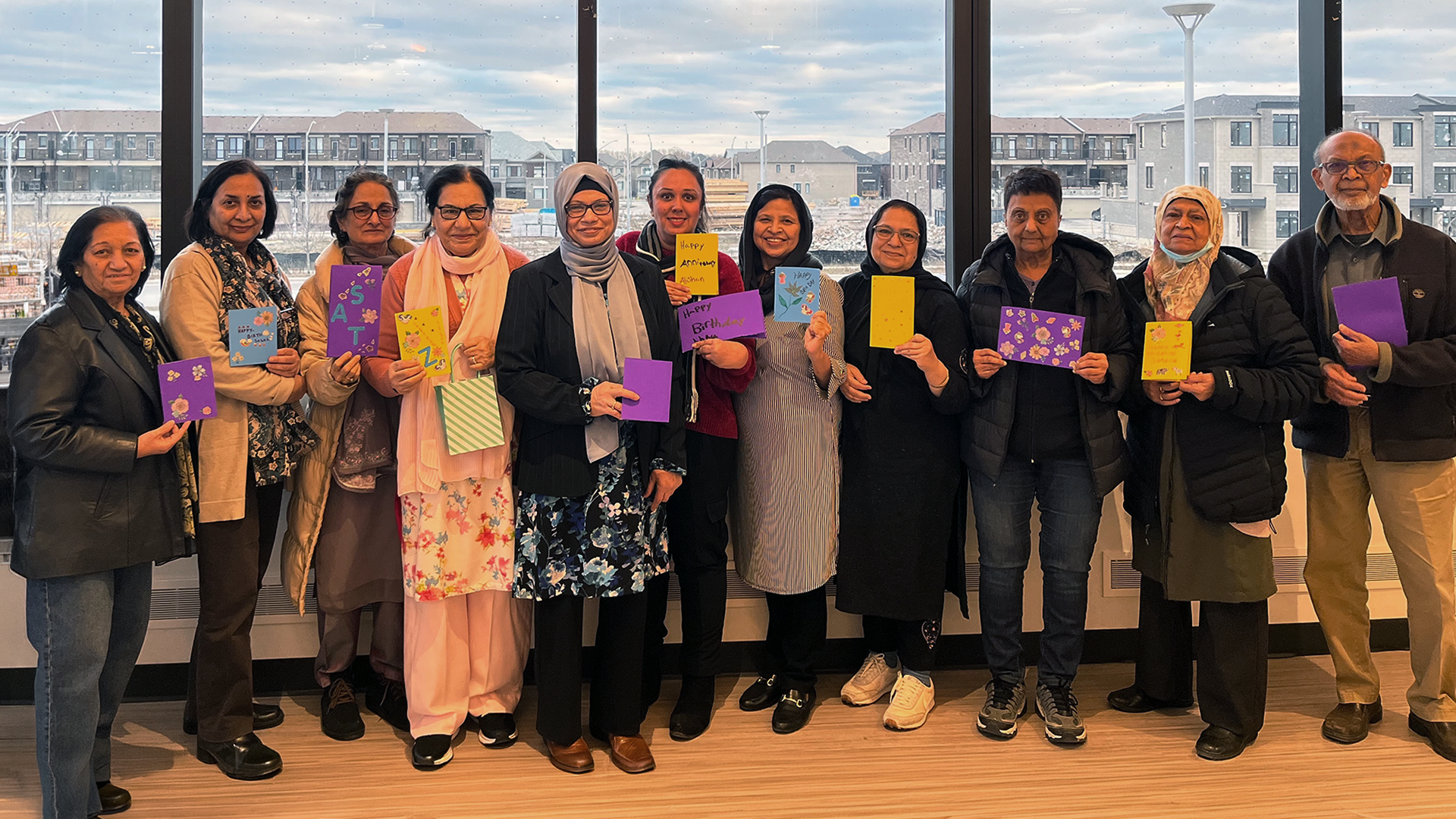
What ACSA brings — beyond years of experience — is a deliberate commitment to not being the centre of the work.
“We don’t have to be the lead all the time or at all,” Jen says. “We ask our communities: ‘How do we support something you’re already doing? How do we make sure we’re in a supportive role, as opposed to taking that role all the time?’ These are the kinds of questions we’re asking our resident groups as well as our partners.”
That orientation shapes how United Way works in South Markham too. Over time, United Way has helped connect partners, support resident leadership and build continuity between early capacity-building efforts and longer-term community investment.
Leadership shifts and is shared across these partners. Seniors’ Services Network of York Region, for example, has become more deeply involved in coordinating the work at the Community Action Table.
“In South Markham, showing up as a partner means being present, listening and adapting alongside others,” Alex says. “This work only lasts when leadership is shared and relationships are built over time.”
Looking ahead at South Markham community development
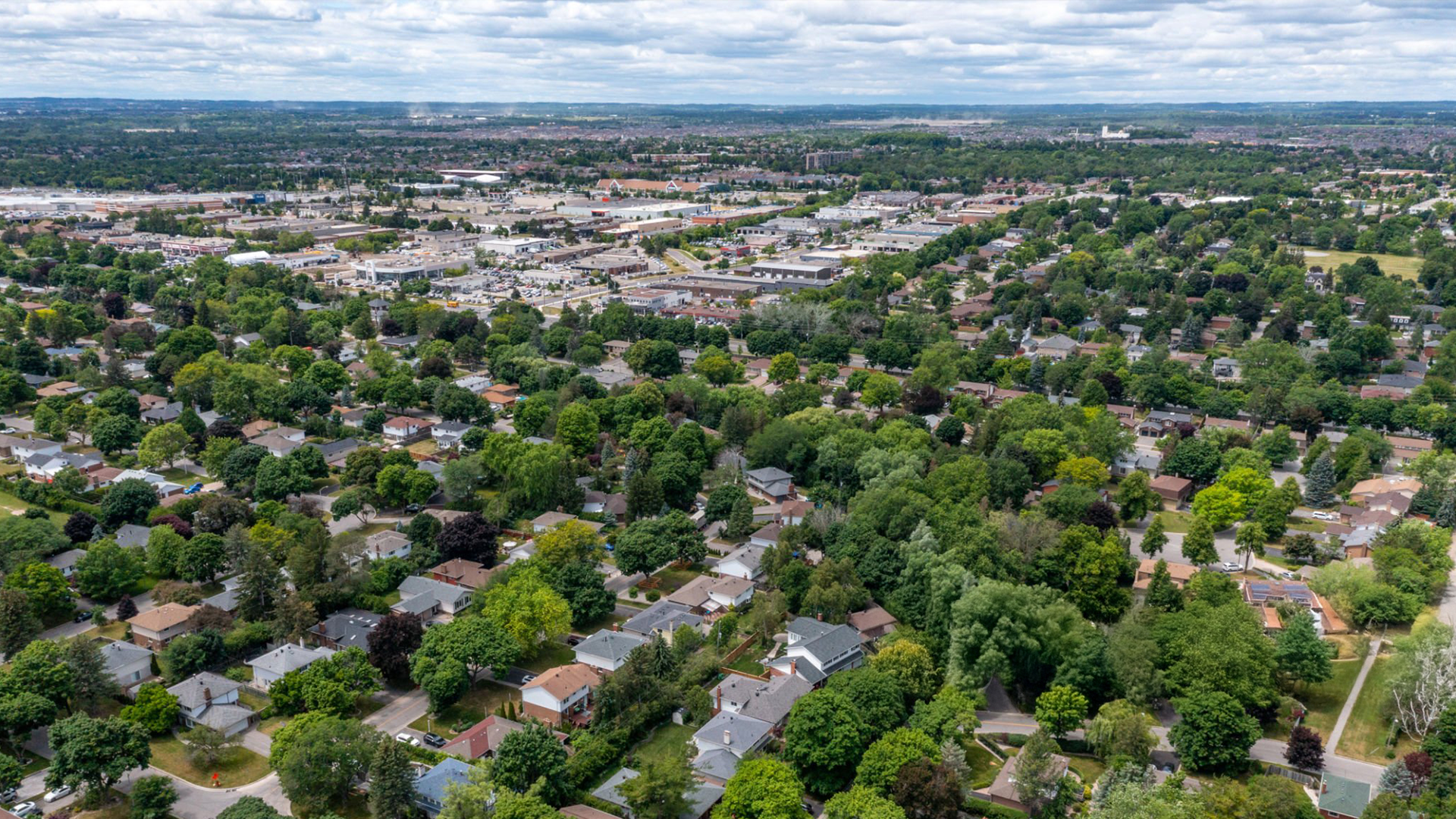
South Markham is at a moment of growing momentum. The Community Action Table is reflecting on four years of work and thinking about what comes next. The Community Action Grants are running. And something has shifted in the neighbourhood — more people are asking what’s next and how they can be involved with what’s ahead.
“There are different groups and organizations now popping up — not-for-profits forming right here in the community. It continues to be community-owned because it’s community-led,” Jen says.
“What’s exciting right now is that momentum in South Markham is coming from within the community,” Alex says. “Residents are asking what’s next, how they can be involved and how they can build on what’s already here. That sense of ownership is exactly what long‑term community change looks like.”
In a neighbourhood where community development was once unfamiliar, that’s not a small shift. It took years to build. And it’s the foundation for everything still to come.
Across Jane-Finch, Cooksville and South Markham, the details look different — decades of organizing versus a neighbourhood just finding its footing, formal frameworks versus first-time resident groups. But the throughline is the same: change that lasts is change that’s led by the people who live it. Trust built over years. Plans shaped by residents, not handed to them. Funding that meets communities where they are and grows with them. Different stages, same journey — and proof that when United Way invests in people first, the momentum takes care of itself.