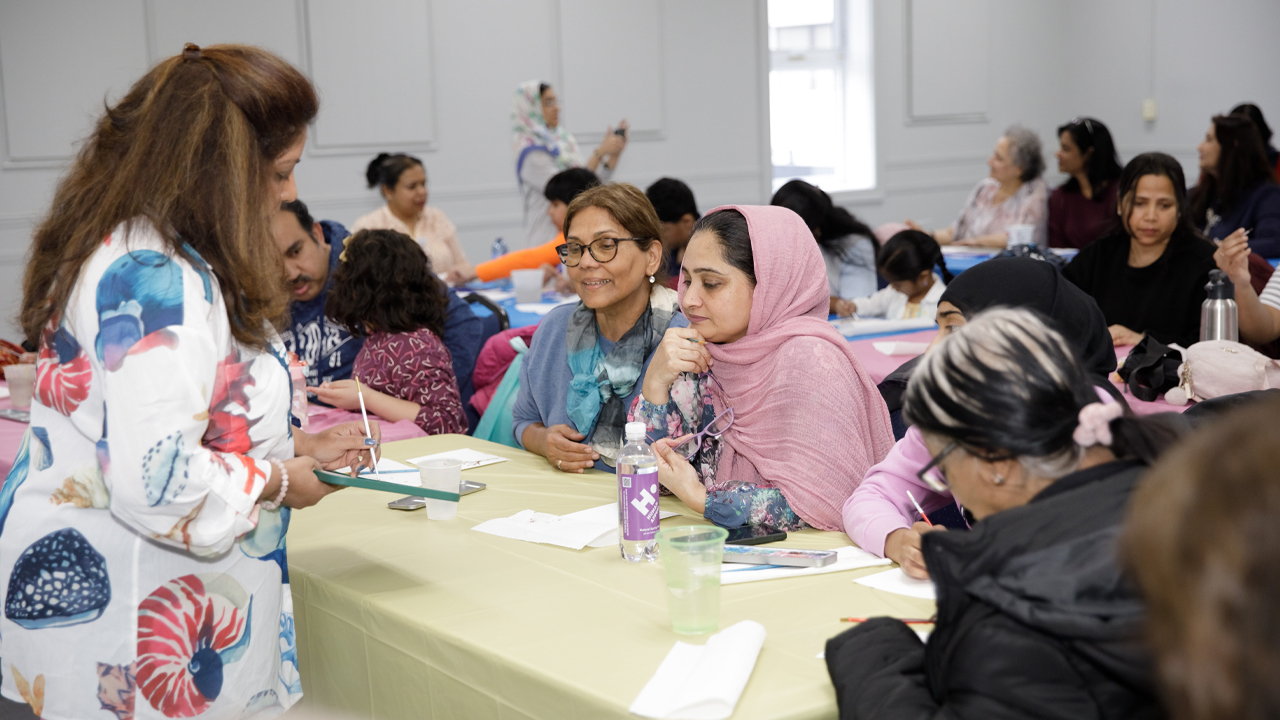
With a new Community Action Plan, deeper collaboration and funded projects now underway, Cooksville is entering a new phase of community‑led change.
This is the second instalment in a three‑part series exploring United Way Greater Toronto’s neighbourhoods work. Throughout the series, we’re sharing what’s happening on the ground in Jane‑Finch, Cooksville and South Markham — three communities at different stages of the same long‑term journey toward resident‑led change — and reflecting on what they teach us about building lasting community solutions.
Cooksville is changing fast.
New development is rising. Transit is expanding. Construction tied to the Hazel McCallion LRT is reshaping the Hurontario corridor. For many residents, that change brings opportunity. It also brings pressure — on housing, on the small businesses that line the streets and on the systems people depend on.
Because Cooksville isn’t just any neighbourhood. It’s one of Mississauga’s most diverse communities — grocers carrying ingredients from around the world, barbershops and salons, restaurants representing dozens of cultures and local talent that runs deep. A place where newcomers arrive looking for work, services and community — and where long-time residents are invested in making sure it stays liveable for everyone.
The question hasn’t been whether change is coming. It’s been how to make sure that change reflects what residents value most.
That’s where the work begins.
Building something bigger
United Way Greater Toronto has been investing in Cooksville for several years. In the early years, the focus was on strengthening a network of service coordination and exploring opportunities for shared spaces where services could be delivered together. As the neighbourhood shifted, it became clear a broader approach was needed — one that could respond to several interconnected priorities at the same time.
Together with Indus Community Services, our Community Action Lead, United Way helped transform that early network into the Cooksville Community Collaborative. It’s a model designed to respond to interconnected community needs — not just one issue or one site —by bringing partners together through a Steering Table and action groups aligned to each priority area. United Way co-chairs the Collaborative, working alongside partners rather than above them.
That distinction matters. Showing up as a partner means moving between roles — sometimes leading, sometimes supporting — depending on what’s needed. It’s an intentional dynamic that allows the Collaborative to adapt as priorities shift.
“As Cooksville changed, the work we were doing in the community needed to change with it,” says Alex Dow, Director, Neighbourhood Solutions at United Way Greater Toronto. “That meant moving beyond a single focus and creating a collaborative approach that could respond to multiple, interconnected needs at the same time.”
A plan that came from the community
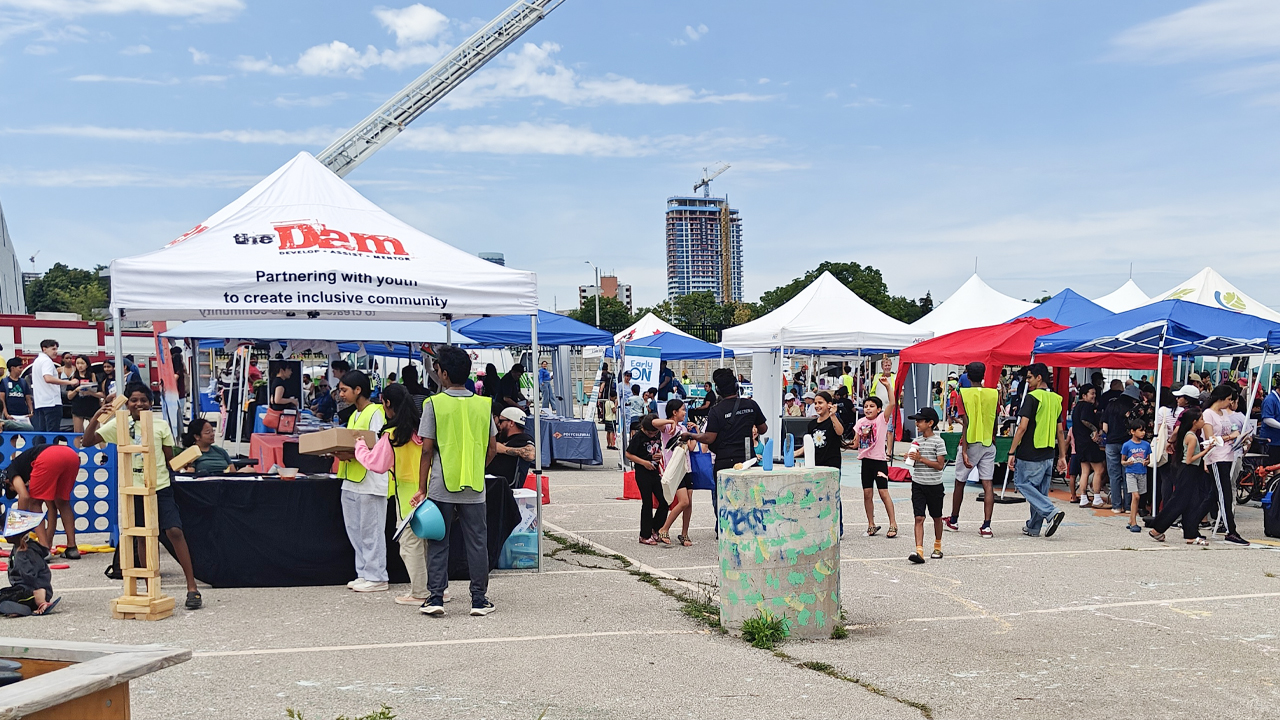
The Cooksville Community Action Plan wasn’t handed down. It was built through extensive consultation with residents, community organizations and local partners — a shared roadmap shaped by what people said mattered most.
Four priorities came out of that process: community spaces and services, housing stability, health and wellbeing and economic stability, including employment pathways and income security.
“The priorities are broad and intertwined by design,” says Gurpreet Malhotra, Chief Executive Officer at Indus Community Services. “That allows for aligned actions and projects to emerge as opportunities arise.”
One theme came up again and again: the need for a third space beyond home and work. “People want places to gather, socialize and build connections,” Gurpreet says. “Arts and culture are a big part of how community comes together in Cooksville.”
To dig into what’s possible on that front, United Way invested in a Space and Services study with the Canadian Urban Institute. The study will look at what spaces exist in Cooksville, what’s missing and how they could better support community services — laying the groundwork for a potential Community Hub.
“Supporting community‑led change sometimes means pairing local knowledge with research and systems‑level tools,” Alex says. “Our role is to help create the conditions where ideas shaped by the community can move forward in practical ways.”
Collaboration as the foundation
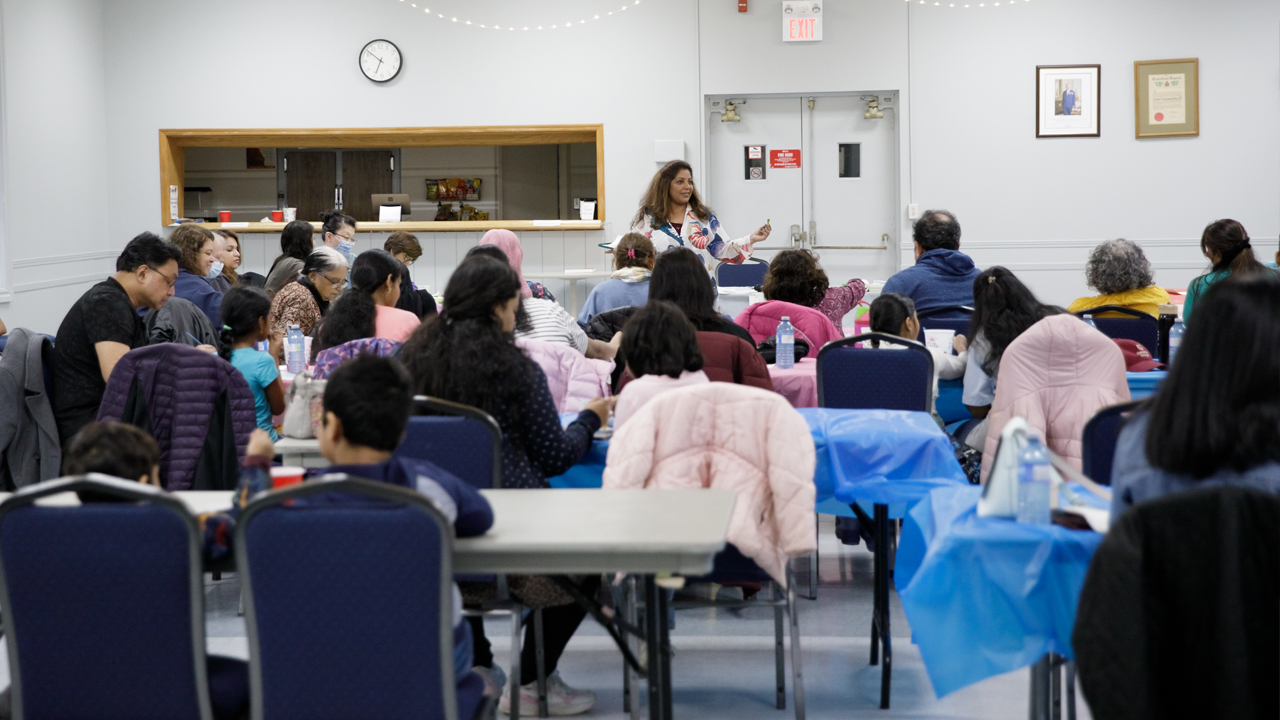
Through the Collaborative, leadership is shared — and residents’ voices are championed through the Resident Advisory Council of Cooksville (RACC), a core group of local residents who bring their own community connections, lived experience and insight to the action groups driving the work forward.
Suemiya Nsair, a RACC member and Cooksville resident, joined because she saw an opportunity to put community connections to practical use. “Are newcomers finding the right resources in their neighbourhood? Is the city aware of the concerns or changes residents have in Cooksville?” she says. “The hope is that community ties become stronger, and we nurture an environment that’s supportive of folks from all walks of life.”
For Suemiya, the work is ultimately about belonging. “As a volunteer with RACC, I would love to see how these efforts will contribute to longtime locals and newcomers feeling less isolated — and eventually having a greater sense of community and belonging. Making these connections can lead to positive outcomes like greater economic opportunities, and also well-being.”
That resident perspective is exactly what strengthens the Collaborative’s work. “When we really sit down and connect these insights, I think we’ll get to some really great ideas for goals,” Gurpreet says.
United Way’s role extends well beyond funding. In addition to co‑chairing the Collaborative, United Way chairs the Space and Services Action Group — which focuses on improving access to community spaces and services — and supports the Housing Stability Action Group, showing up as a partner to align learning, strategy and action.
Grants mark a turning point in Cooksville
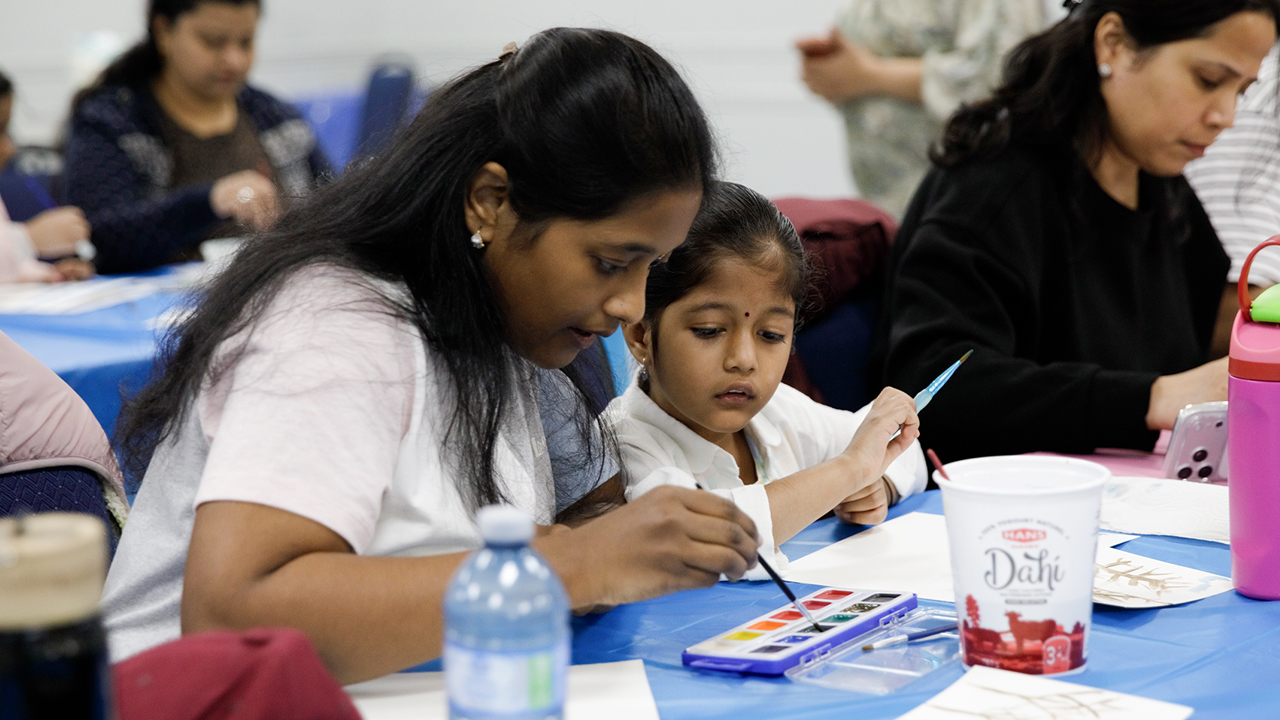
The launch of the first round of Community Action Grants in 2025 was a real milestone. After years of building structure, relationships and a shared plan, funded projects are now underway. The shift — from planning to implementation — is no small thing.
Seven projects were funded in the first round. They span arts and culture, health and wellness, youth skills training, digital employment pathways, mental health service navigation and space activation — bringing programming and activities into underused public spaces.
The Cooksville Digital Employment Bridge, led by the Newcomer Centre of Peel, supports residents — particularly newcomers facing employment barriers — to build digital skills, prepare for remote work and earn industry-recognized certifications. Meanwhile, Vibrant Cooksville, a resident-led initiative, is bringing cultural and wellness activities into underused public spaces, building neighbourhood pride and creating accessible opportunities for connection.
“What’s exciting is the range of leadership,” says Gurpreet. “We’re seeing residents, established partners and new agencies all contributing in different ways, which adds depth to the work.”
For United Way, the grants reflect how we seek to engage with and support communities. “Community Action Grants are about more than funding projects,” Alex says. “They align investment with community-defined priorities with an approach centred around supporting the local capacity that already exists to define and lead change.”
Looking ahead
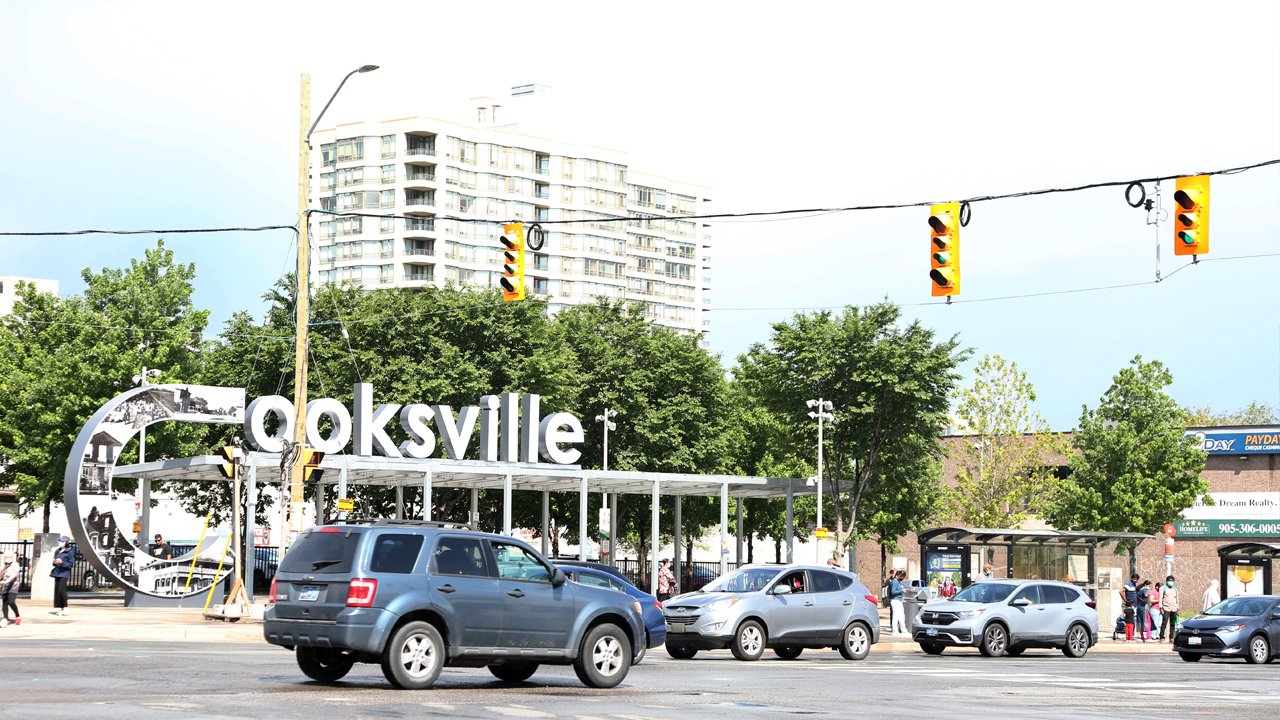
What’s taking shape in Cooksville is more than a set of projects. It’s a growing web of relationships — connecting residents, partners and priorities in ways that can hold up over time.
“The real impact won’t just come from individual projects,” Gurpreet says. “It will come from stronger connections, a deeper sense of belonging and a community that can respond collectively to change.”
As Cooksville continues to evolve, United Way is committed to standing alongside the neighbourhood for the long haul — supporting leadership, strengthening collaboration and investing where community priorities lead.
Next in the series: We head to South Markham, where years of foundational community development are building momentum for the next phase of resident‑led action.