Expanding Community Space Capital Grants are helping create spaces where more becomes possible — from faster access to food support to places where newcomers, seniors and caregivers can thrive.
When people face life’s toughest challenges — from food and housing insecurity to mental health struggles and settling into a new country — community agencies provide support, hope and a path forward. But as costs across the GTA continue to skyrocket, many agencies are facing a crisis of their own.
Some community agencies in our region are facing rent increases of over 88%. Even organizations that own their buildings often lack the resources needed to repair, renovate or expand their spaces as demand continues to grow. These agencies have never been more important, yet rising costs are pushing them out of the neighbourhoods that rely on them most — or worse, forcing them to close their doors altogether.
That’s why United Way Greater Toronto created the Community Real Estate Initiative. Through a $23-million investment in capital grants over 10 years — including over $4 million supporting 27 projects across the GTA — the initiative is helping community organizations secure stable, affordable spaces so essential services remain close to home.
But what does that look like in practice?
We spoke with three agencies — Parkdale Community Food Bank, Polycultural Immigrant and Community Services and Community & Home Assistance to Seniors (CHATS) — to learn how Expanding Community Space Capital Grants are helping create spaces where more becomes possible — from shorter waits for food to places where newcomer children can belong and caregivers can find peace of mind.
A permanent home for a growing community
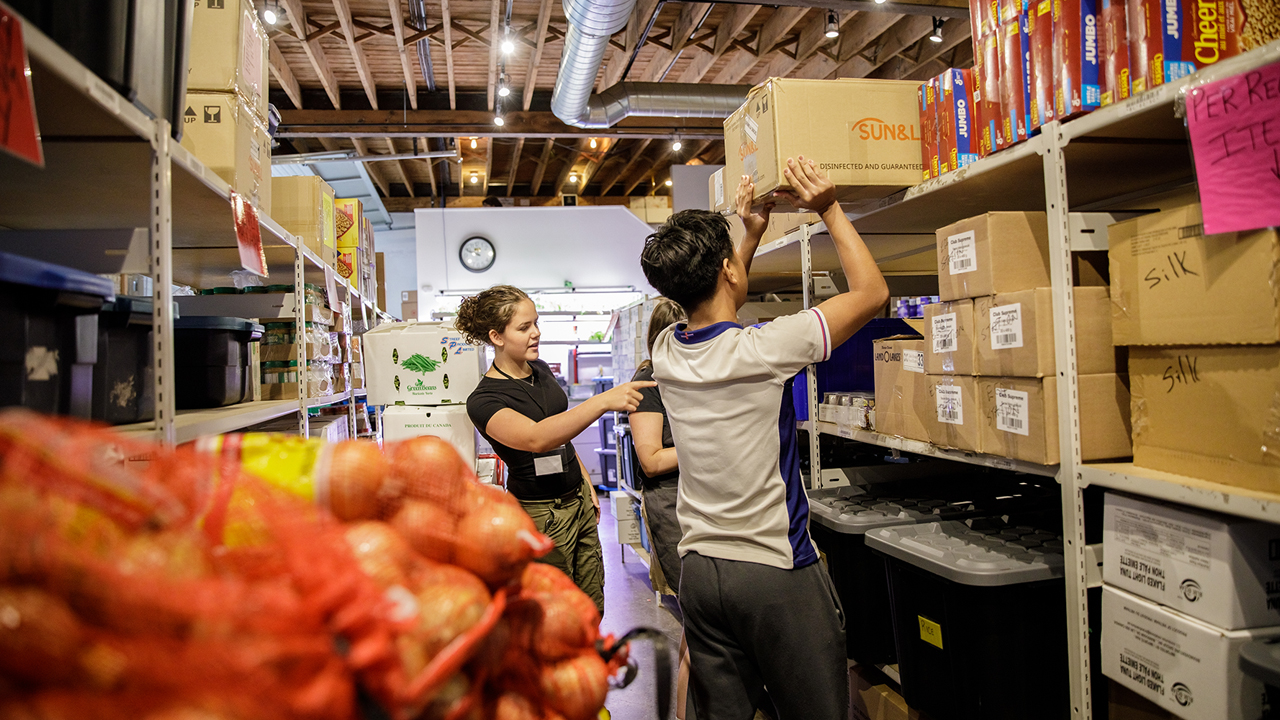
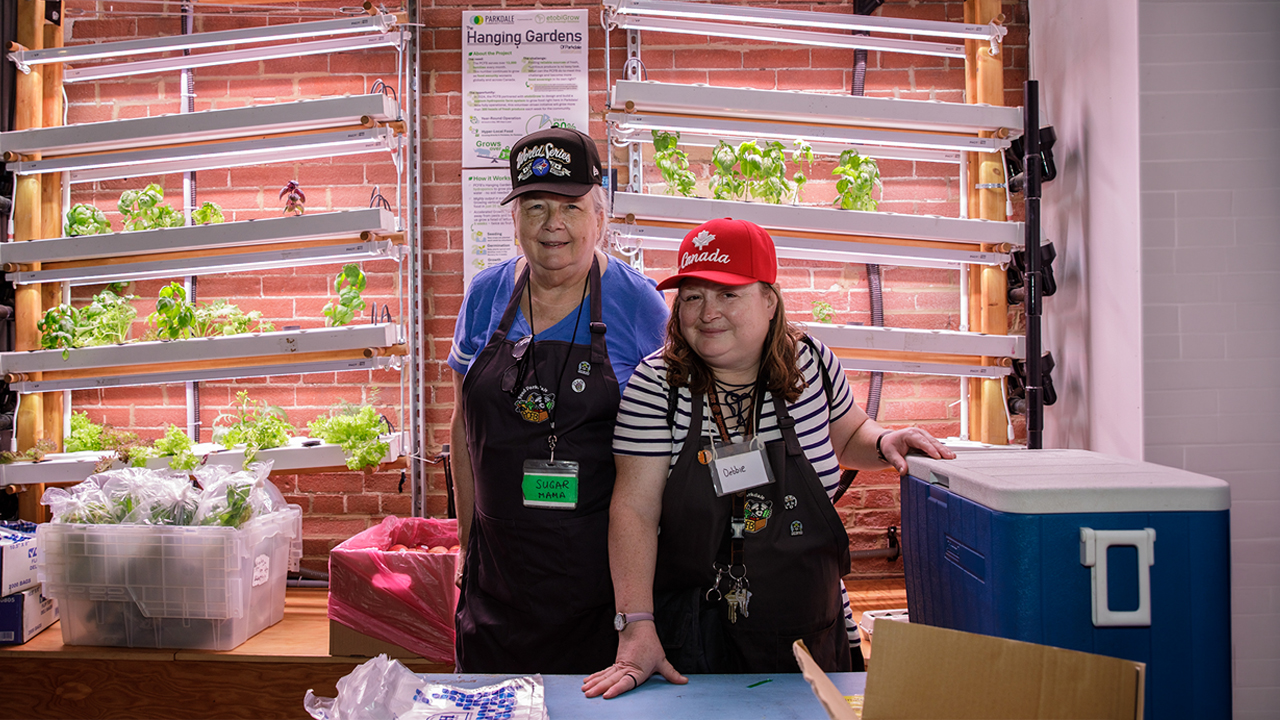
Parkdale Community Food Bank offers barrier-free access to food while advocating to eliminate poverty and food insecurity. Renovations and equipment upgrades to the Parkdale Food Hub are improving accessibility, expanding food storage and preparation and creating a more dignified space for clients, staff and volunteers. An estimated 15,000 clients and 300 volunteers will benefit from the renovated space. Kitty Raman Costa, Executive Director of Parkdale Community Food Bank, explains how Expanding Community Space Capital Grants are making a difference at this agency.
Before receiving the funding, what challenges were you facing in your previous space? How was that affecting the people you serve day-to-day?
In 2017, rising rent forced us to leave our King Street West location for a basement space that was more affordable but much harder to operate from. The space wasn’t designed to meet growing demand, and people often waited outside in line for hours in all kinds of weather just to access food.
How did funding help you address the challenges, and what does it mean for the community you serve going forward?
When we purchased our own building at 5 Brock Avenue in 2025, support from United Way of Greater Toronto’s Expanding Community Space Capital Grants helped us make accessibility upgrades and create dedicated work and break spaces for our staff and volunteers.
The biggest change has been for the people who come through our doors. We now have an indoor waiting area where we can welcome nearly twice as many people at once, reducing wait times from as long as two hours to about 45 minutes.
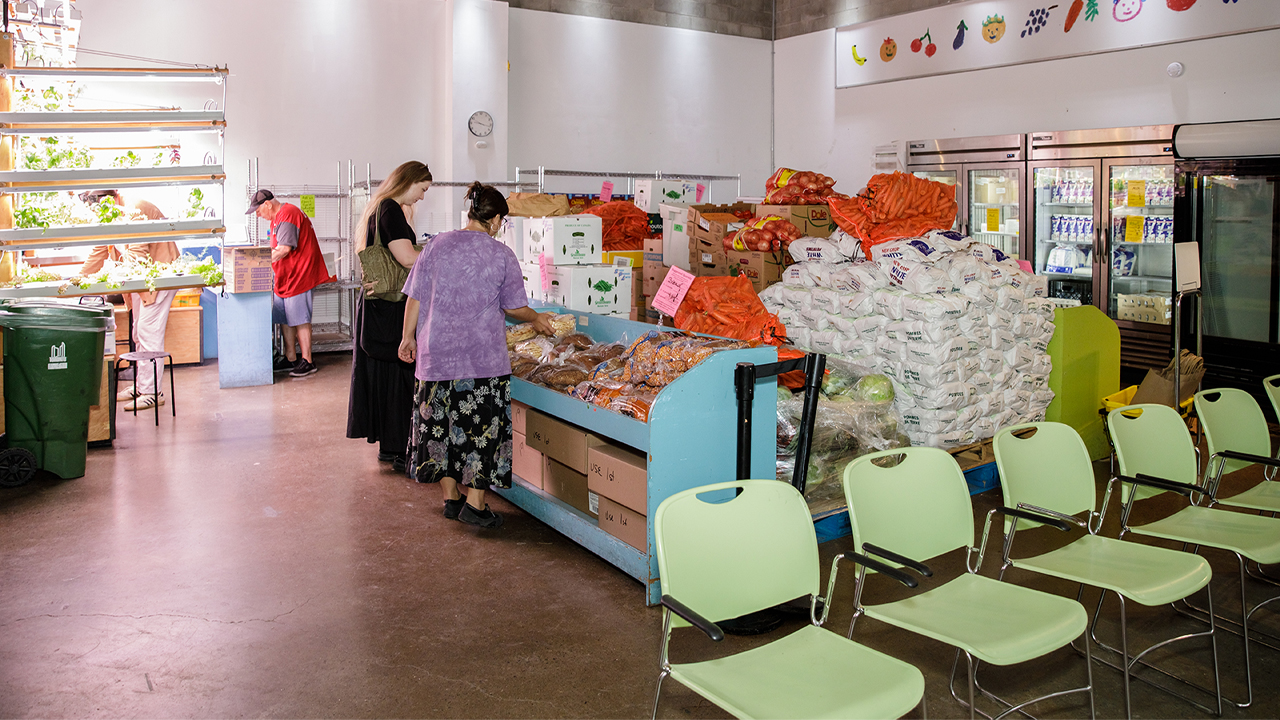
Owning our own space also means we no longer face the constant risk of displacement, which has happened several times in our history. That stability gives the thousands of people who rely on us each month a dependable place to turn for food while helping ease pressure on other food programs already stretched beyond capacity. It allows us to focus on serving our community instead of worrying about where we’ll operate next.
What does having a permanent home make possible for your community in the years ahead?
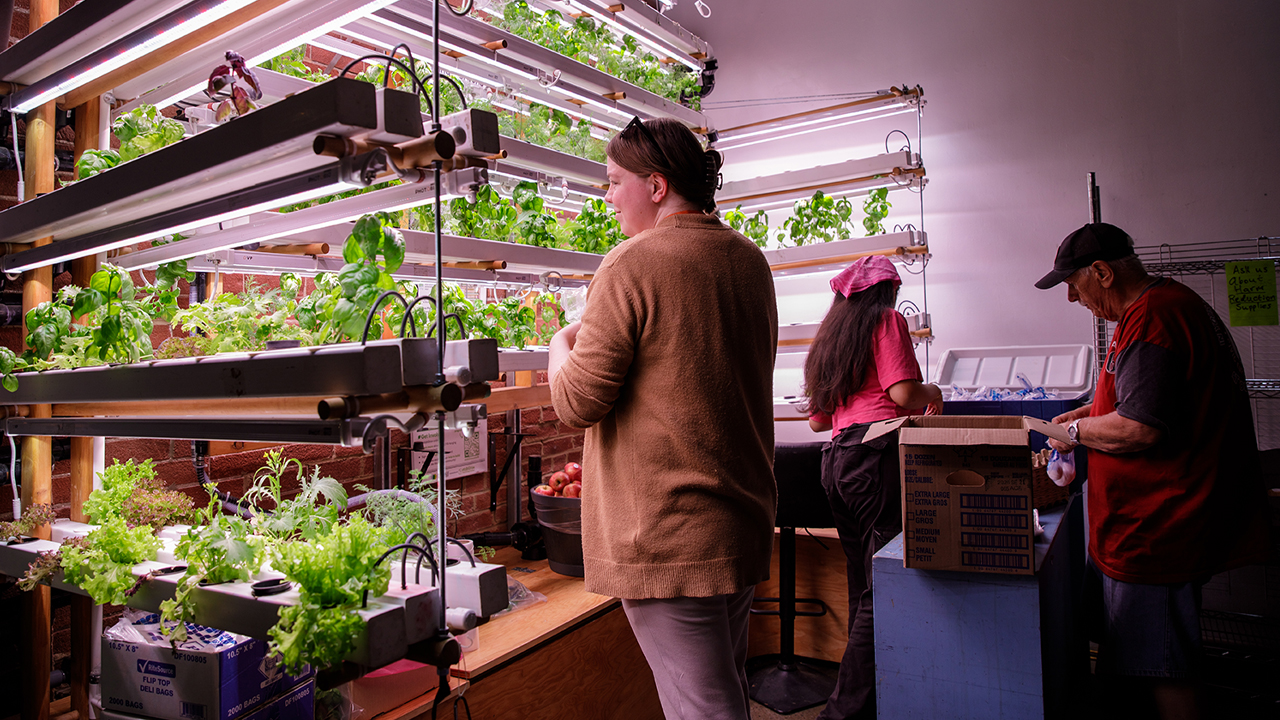
Having access to significantly more space has already allowed us to expand what’s possible. We’ve built an indoor hydroponic program and green wall, growing lettuces, herbs and fresh greens for the community.
At the same time, community need continues to grow. We served about 1,500 people each month in 2020. By 2025, that number had grown to an average of 14,500 people each month, and in May 2026, we served a record 19,063 people. Having a permanent home means we can continue adapting to meet that growing demand.
Creating space for belonging
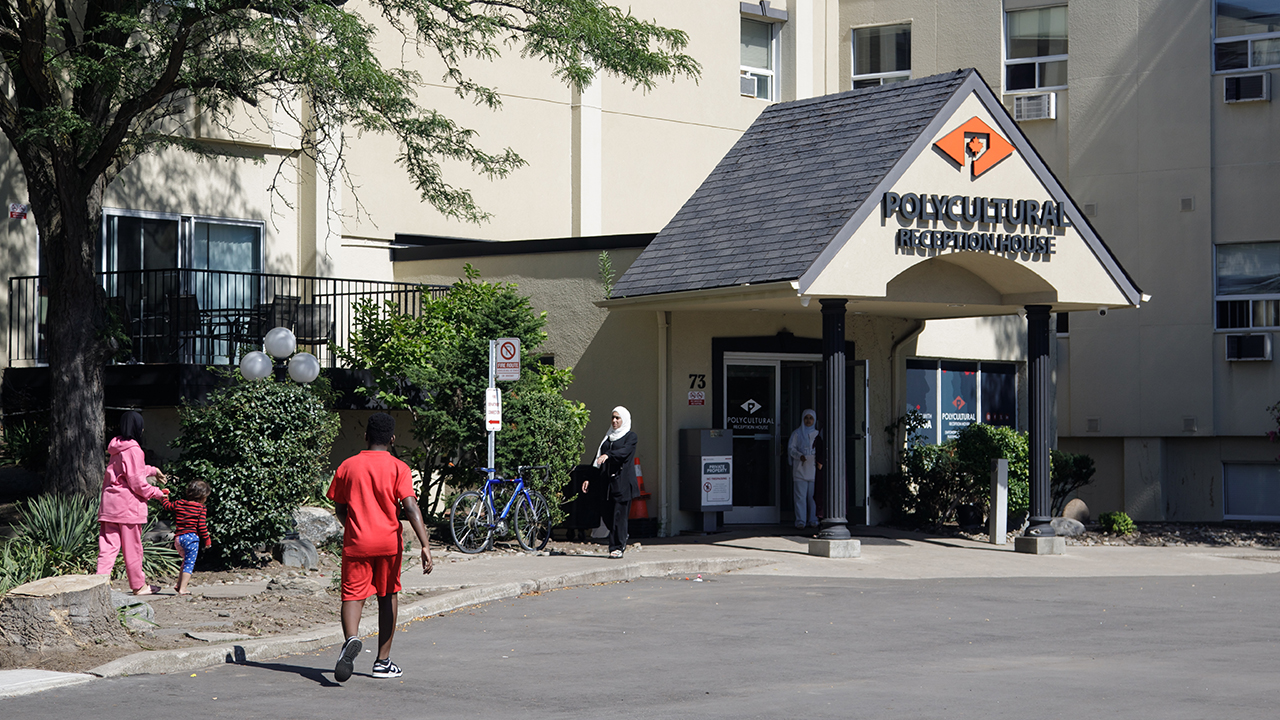
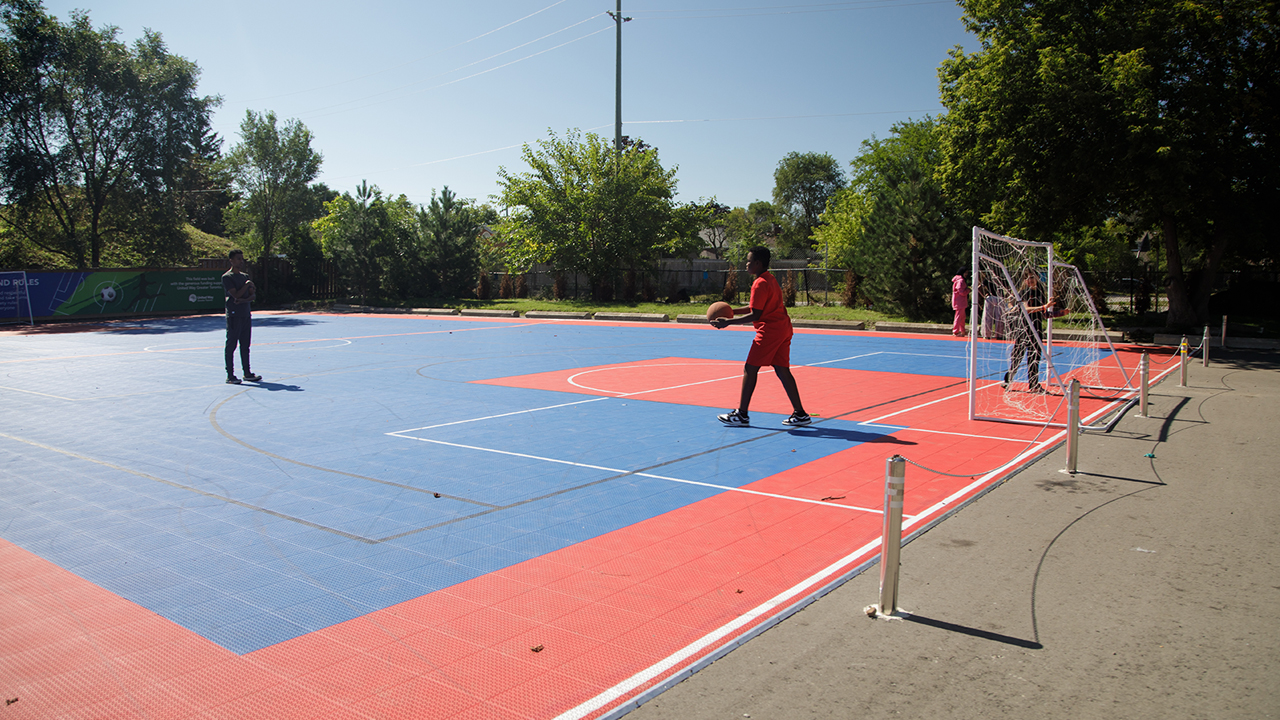
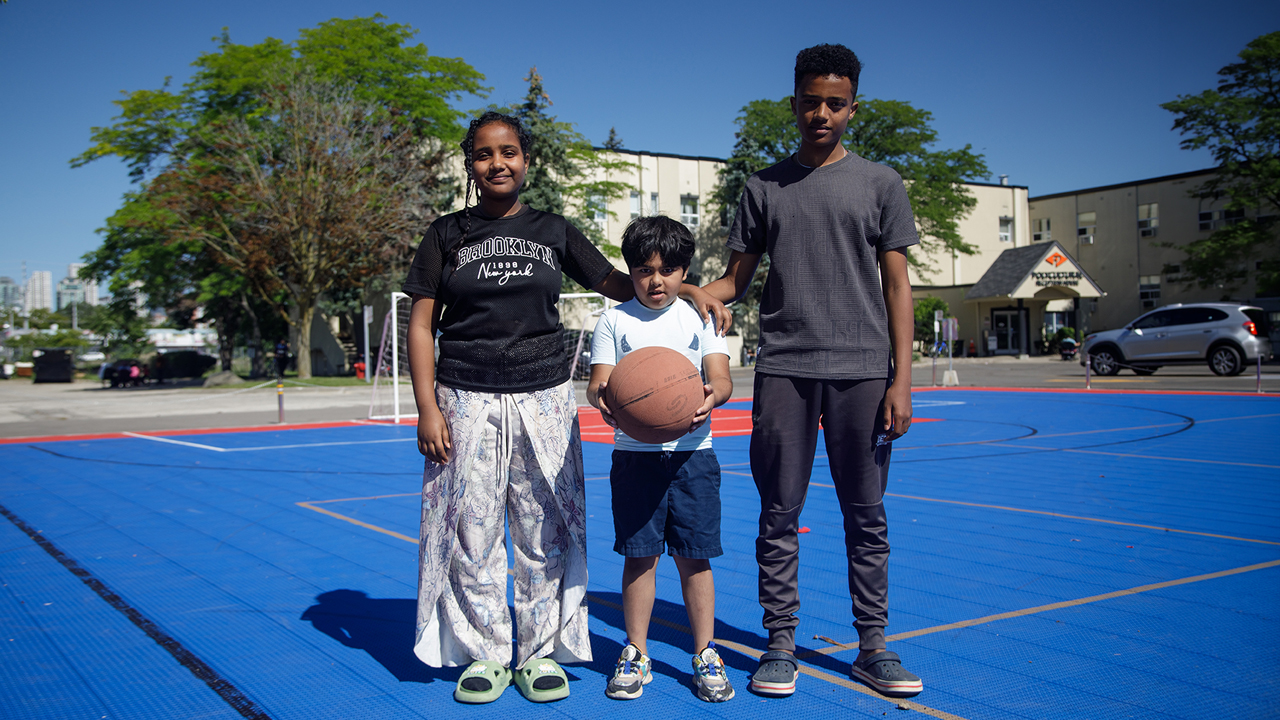
Polycultural Immigrant and Community Services provides inclusive, community-led programs that help newcomers and refugees of all ages and nationalities build stable lives in Mississauga. A new 7,000-square-foot outdoor recreation space will give more than 1,000 refugee children and their families a safe place to play, connect and build community through a basketball court and multi-sport field. Marwan Ismail, Executive Director of Polycultural Immigrant and Community Services, explains how Expanding Community Space Capital Grants are making a difference at this agency.
Before receiving Community Real Estate funding, what challenges were you facing in your previous space? How was that affecting the people you serve day-to-day?
Before receiving funding, we had no safe outdoor space for refugee children and families. While we could support settlement needs indoors, we had nowhere for children to play or for families to gather. For many refugees already coping with trauma and uncertainty, that meant missing opportunities to connect, build friendships and simply enjoy being outside together.
How did funding help you address the challenges, and what does it mean for the community you serve going forward?
One day, some children asked for a ball. With no designated play area, staff cleared part of the parking lot for a game of soccer. The children came from different countries and though they initially kept to themselves, before long they were playing together.
A parent later shared how meaningful it was to see their child playing with others again after struggling with language barriers that had made it difficult for them to feel included. That moment showed us how something as simple as a safe place to play can foster belonging, connection and a sense of normalcy.
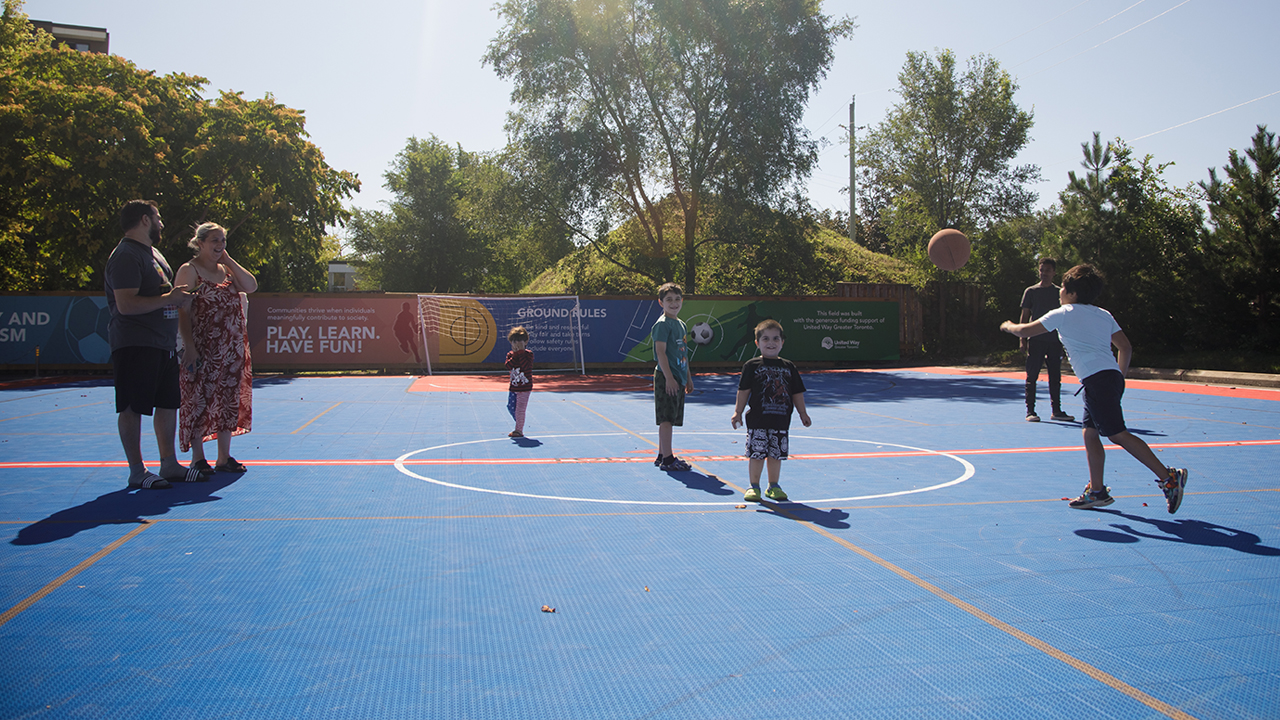
That’s exactly what this project makes possible. The new multi-sport playground will strengthen our ability to deliver holistic, wraparound services by creating opportunities for recreation, relationship building and informal language learning while supporting mental health, physical well-being and successful settlement for newcomer families.
What do you hope this space will mean for your community in the years ahead?
We hope this shared space becomes more than just a recreation facility. In Cooksville, where community gathering places are limited, we want it to become a community anchor — a place where families build relationships, children feel a sense of belonging and newcomers can begin putting down roots.
A home away from home
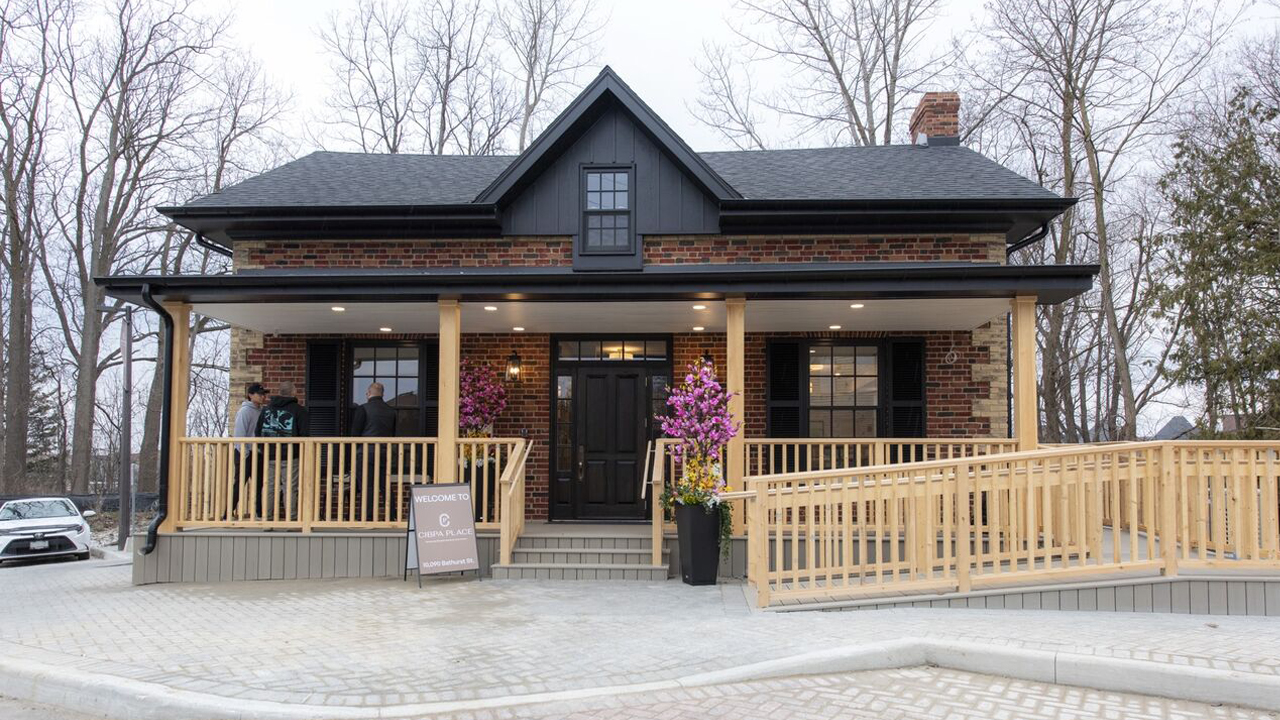
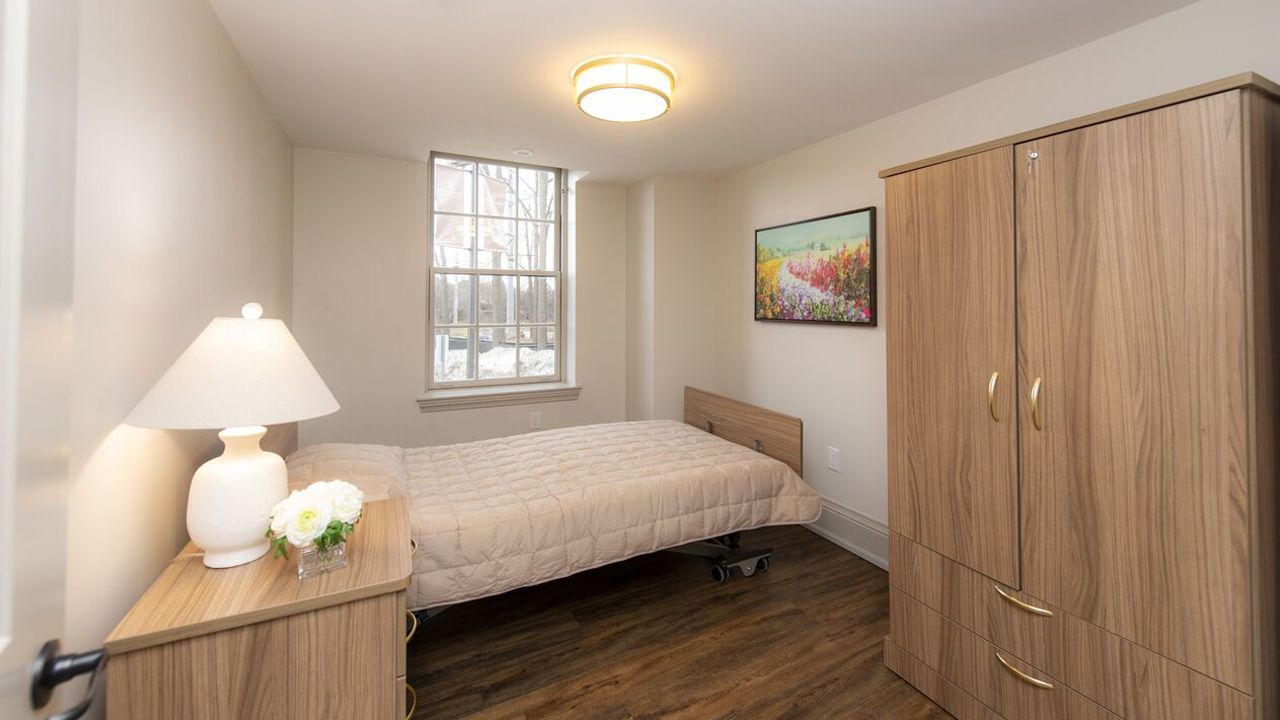
Community & Home Assistance to Seniors (CHATS) provides home and community services that help older adults and caregivers live well in York Region and South Simcoe. Renovating a local historic building will create Vaughan’s first not-for-profit respite centre — CHATS’ Care as One Respite Centre — offering around-the-clock short-term care in a home-like environment for approximately 125 people living with dementia each year. Christina Bisanz, Chief Executive Officer at CHATS, explains how Expanding Community Space Capital Grants are making a difference at this agency.
Before receiving Community Real Estate funding, what challenges were you facing in your previous space? How was that affecting the people you serve day-to-day?
Before receiving funding, the building wasn’t yet ready to welcome residents. It lacked essential accessibility and safety features we knew we needed but didn’t have the resources for, including a wheelchair-accessible ramp and secure entry systems that are necessary to safely support people living with dementia.
How did funding help you address those challenges, and what does it mean for the community you serve going forward?
The first round of funding allowed us to safely open the home, while the second is helping complete a secure outdoor area where residents can enjoy fresh air, activities and moments of calm and connection.
Our services support caregivers too. With the opening of the centre, one caregiver recently shared, “I can’t say enough about the CHATS overnight respite program. My mom usually doesn’t remember a lot, but since coming home from her stay she has told me how wonderful the ladies were with her, and she’s looking forward to going back. My wife and I are very thankful and very fortunate to have this level of care available.”
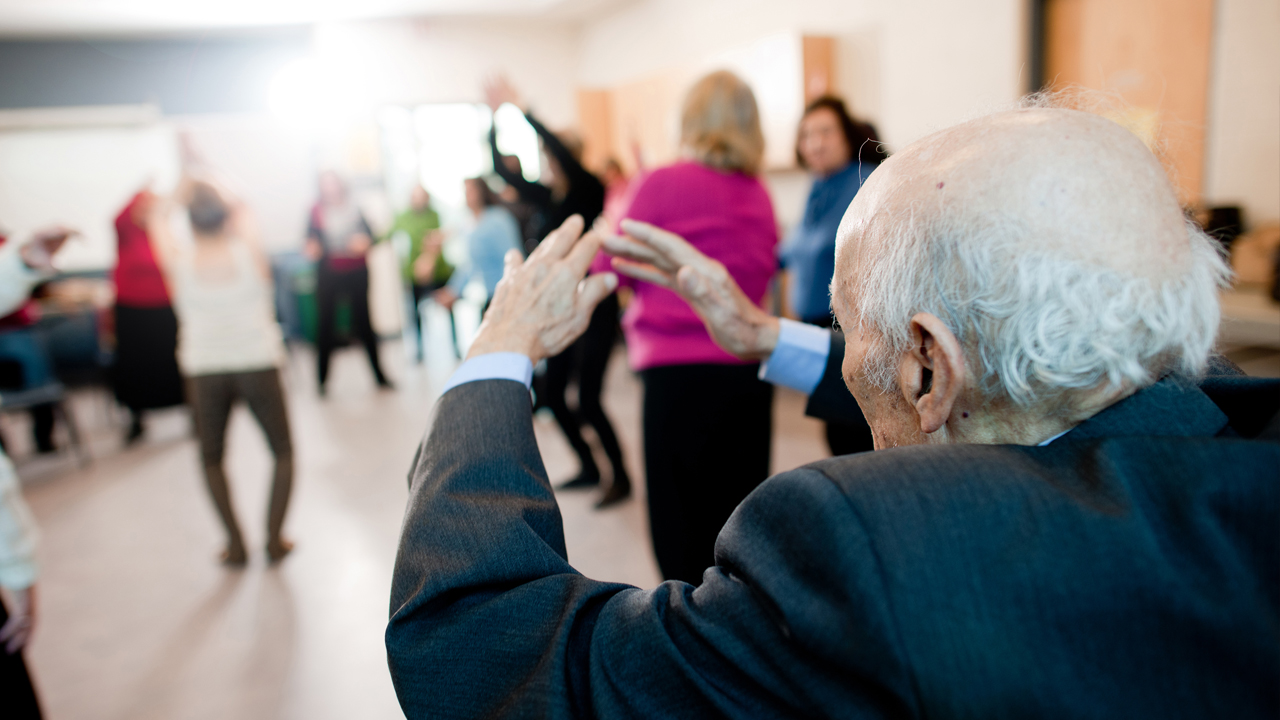
For caregivers, knowing their loved one is safe means they can finally catch their breath. That’s exactly what this space was designed to provide: comfort and dignity for residents, and peace of mind for the people who care for them.
What difference will this space make for older adults and caregivers in the years ahead?
Having multiple supports available through one trusted organization makes it easier for older adults and caregivers to get the help they need. Navigating services can feel overwhelming, especially when transportation, cost and technology create barriers. Bringing those supports together in one place reduces that burden and helps build trusting relationships with familiar staff.
Those consistent touchpoints — from meal deliveries to wellness checks — also help identify concerns early, preventing crises before they happen and helping older adults remain safe, independent and connected to their community.
Community spaces are about far more than just bricks and mortar
The projects look very different: a food bank, a playground for newcomers and a respite centre for seniors, but together they tell the same story. Stable, affordable space gives community agencies the foundation they need to meet today’s urgent needs while building resilient services and strengthening communities for the future.
With one in four families in our region living in poverty, the need for community support continues to grow. Without affordable, adaptable spaces, agencies risk losing the ability to serve the neighbourhoods that rely on them most.
That’s why investing in community space is really an investment in people. When agencies have the stable places they need to operate, more becomes possible: shorter waits for food, safe places where children can belong and caregivers who finally have the chance to rest. Through our network of more than 300 agencies across the GTA, United Way is helping make that possible.