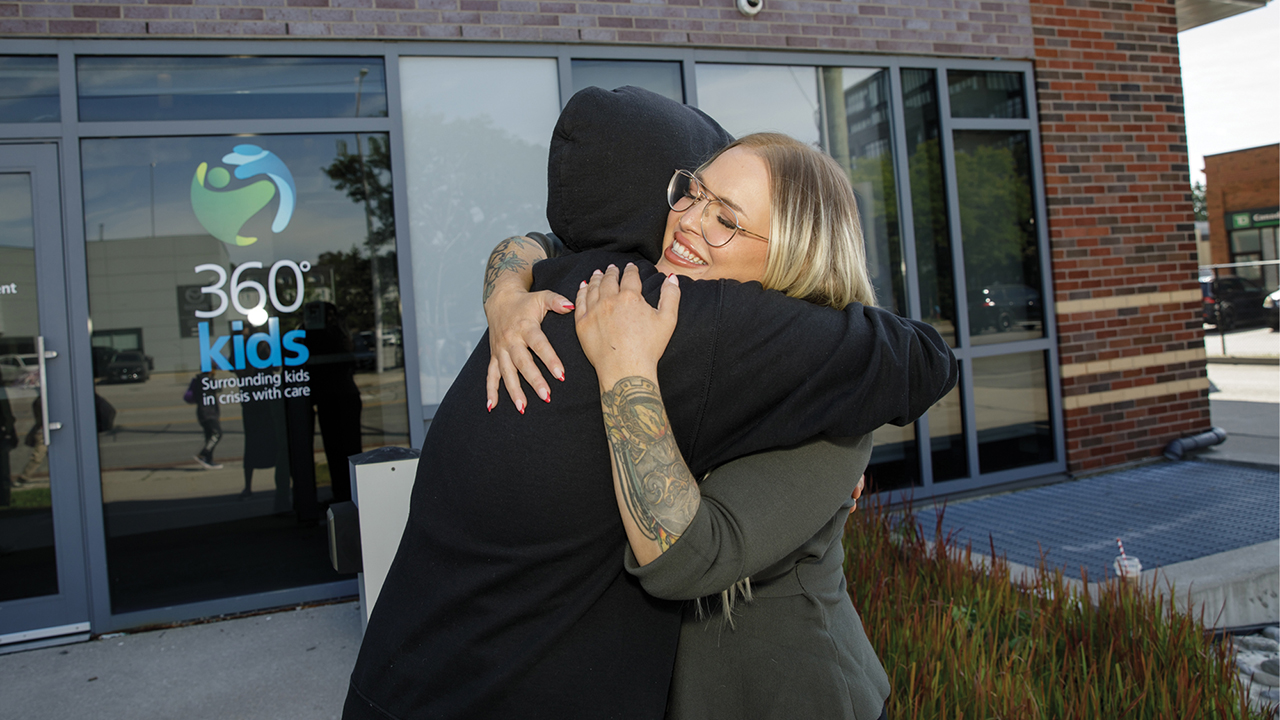
How United Way-funded housing support and a stuffed hedgehog helped one young person build a stable future for herself.
The stuffed hedgehog wasn’t expensive. But for Kayleigh, it meant everything.
At 19 years old, she was navigating one of the most uncertain periods of her life. After being asked to leave her mother’s home, she suddenly found herself without housing — unsure what to do next.
Kayleigh eventually found 360°kids, a United Way Greater Toronto-funded agency that helps young people experiencing homelessness and housing instability. There, she was connected with a prevention worker named Erica. During one of their first conversations, Kayleigh mentioned the pet hedgehog she adored. Later, Erica surprised her with a hedgehog plushie.
The gift was small. But to Kayleigh, it represented something much bigger. It meant someone had listened. Someone cared.
And during a time when she felt scared, anxious and alone, that small gesture made all the difference.
When homelessness doesn’t look the way people expect
For a while, Kayleigh stayed with her boyfriend. But when that situation didn’t work out, she found herself facing a reality she had never imagined.
She didn’t know who to call, what questions to ask or how to navigate a system she had no experience with.
Like many young people facing housing instability for the first time, she felt lost.
“People have a narrow idea of what homelessness looks like,” says Kayleigh. “You can be homeless and still be trying your best.”
Homelessness doesn’t always mean sleeping on the street. For many young people, it can mean couch surfing, moving between temporary living situations or relying on friends, partners or extended family because there is nowhere else to go.
Without stable housing, every aspect of life becomes harder. School, work, relationships and mental health can all be affected. For youth already navigating major life transitions, housing instability can quickly become a crisis.
Kayleigh knew that feeling firsthand. She was overwhelmed and unsure where to turn.
Then she found 360°kids.
One of the first programs she accessed was Nightstop, which matches young people with volunteer hosts, providing temporary housing while they work toward longer-term stability.
A lifeline in an unfamiliar system
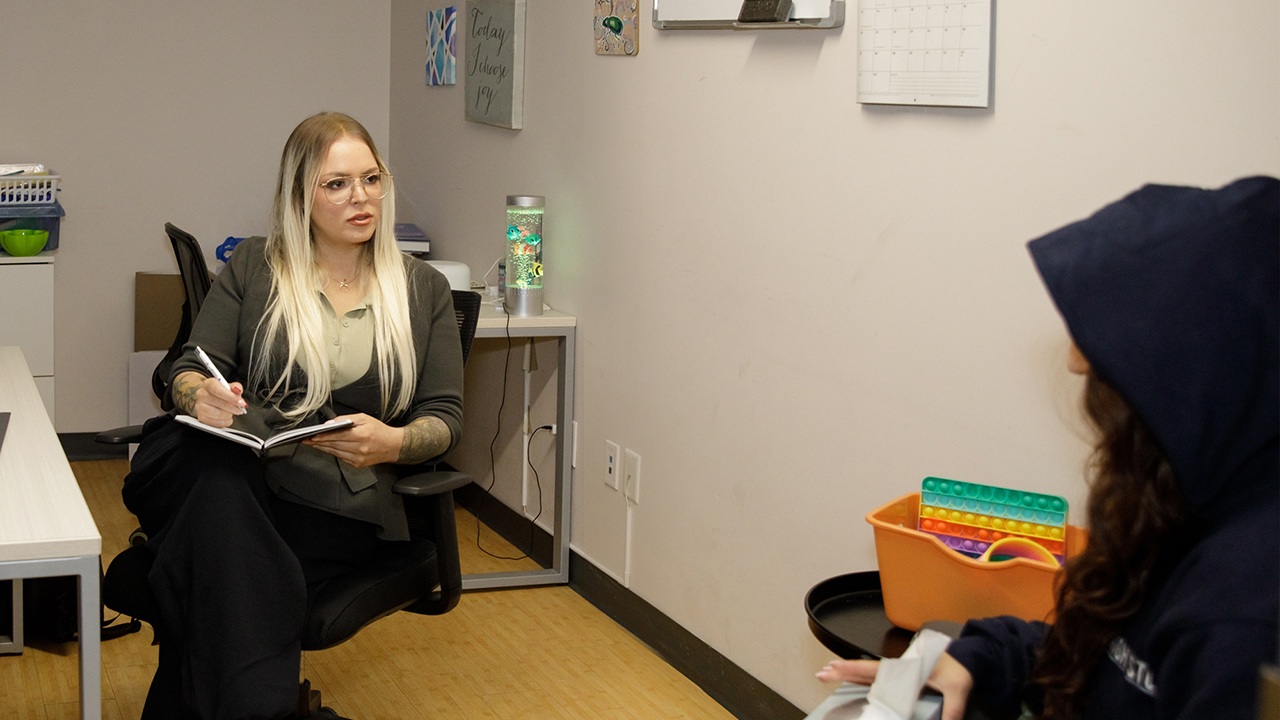
For Kayleigh, having someone guide her through those unknowns made a huge difference. “Erica arranged transportation, met me at my first host’s place and immediately made me feel cared for,” says Kayleigh.
Starting over in a new environment wasn’t easy. Kayleigh lives with anxiety, and there was added pressure in navigating unfamiliar places and meeting new people while not knowing what the future would look like.
But Erica helped make the process feel manageable.
“She never just dropped me off — she stayed and made sure I felt comfortable,” Kayleigh says. “She helped explain things because I was very introverted and overwhelmed at the time.”
For Erica, this kind of support should be standard practice.
“I’ve seen it benefit so many youth like Kayleigh, who haven’t experienced this kind of situation before,” she says. “They don’t know what avenues to go down, what to expect or who to ask questions or even what the next steps are.”
Young people navigating housing instability are already carrying so much. They shouldn’t have to face complex systems or difficult situations alone.
“It’s important to meet people where they are at,” Erica says. “It’s about listening and demonstrating that they are being heard.”
For Kayleigh, that approach showed up in the smallest moments of support.
“She told me to text or call if I needed anything and she meant it,” says Kayleigh. “That made the experience feel a lot less frightening than I expected.”
Over time, Kayleigh began spending more time at 360°kids. At first, she kept to herself. But staff were patient and welcoming. “I was having a really hard time emotionally,” she says. “I felt out of my element, moving from house to house and staying with people I didn’t know.”
Slowly, she started to feel more comfortable.
“I felt like people genuinely cared about me and wanted to help.”
Stability starts with support
The program gave Kayleigh a safe place to stay. Just as importantly, it gave her time and support to focus on what came next.
Finding stable housing wasn’t immediate. It took months of advocacy, coordination and persistence before a longer-term solution became available.
Throughout the process, Kayleigh kept moving forward.
“She consistently showed up, pushed herself outside her comfort zone and remained focused on her goals despite the challenges and uncertainty,” says Erica. Eventually, Kayleigh secured housing through another 360°kids program designed to support Black youth experiencing homelessness in York Region and address their overrepresentation in the homeless population.
For the first time in a long time, she has the stability she needs to focus on what’s next.
“I was 19 when all of this was happening,” says Kayleigh. “Now, I’m in housing, I’m back in school and I’m working toward a more stable future.”
Why support matters
Kayleigh is one of thousands of young people across the GTA navigating housing instability — often without a roadmap or anyone to call.
As housing costs continue to rise, more people are finding themselves in precarious housing situations. For young people with limited financial resources and support networks, even a single life change can put housing at risk.
Kayleigh knows how isolating that experience can be.
“When you’re in an unstable housing situation, it’s already easy to feel isolated and judged,” says Kayleigh. “Instead, I felt supported.”
Through investments in more than 90 housing and homelessness programs, United Way helps connect people to emergency housing, supportive housing and other critical supports. At the same time, we work alongside community agencies, government, businesses and residents to address the systemic barriers driving the housing crisis and advocate for long-term solutions.
Organizations like 360°kids play a crucial role in that work, helping young people avoid homelessness, navigate complex systems and build pathways to stability.
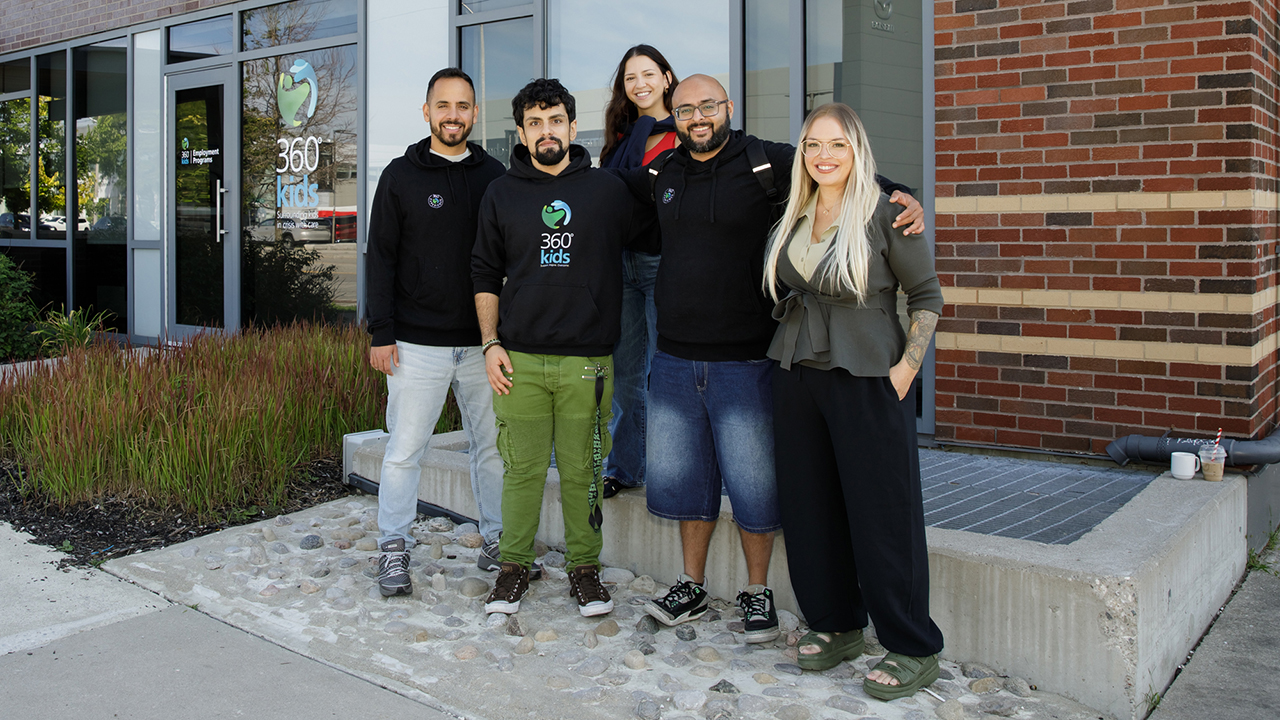
“Having even one person or one program believe in them can make all the difference,” says Erica.
For Kayleigh, that support arrived at exactly the right moment.
“Programs like 360°kids throw you a lifeline and say, ‘Grab onto this — I’ll help you out.’”
Kayleigh was able to connect to the right support at the time, which allowed her to move forward: towards stable housing, a school program she’s excited about and the promise of a brighter future.
Housing stability is also about belonging, dignity and feeling safe enough to imagine a future and work towards it. To do that, you need to feel stable.
From surviving to building
Today, Kayleigh is studying to become an Early Childhood Educator and working toward goals that once felt out of reach.
Her experiences have also inspired a longer-term dream: becoming a therapist.
“I know how powerful it is to have someone you can talk to without judgment,” she says. “I’d love to be that kind of person for someone else — to be a safe space, to relate to people and to remind them that things really can get better.”
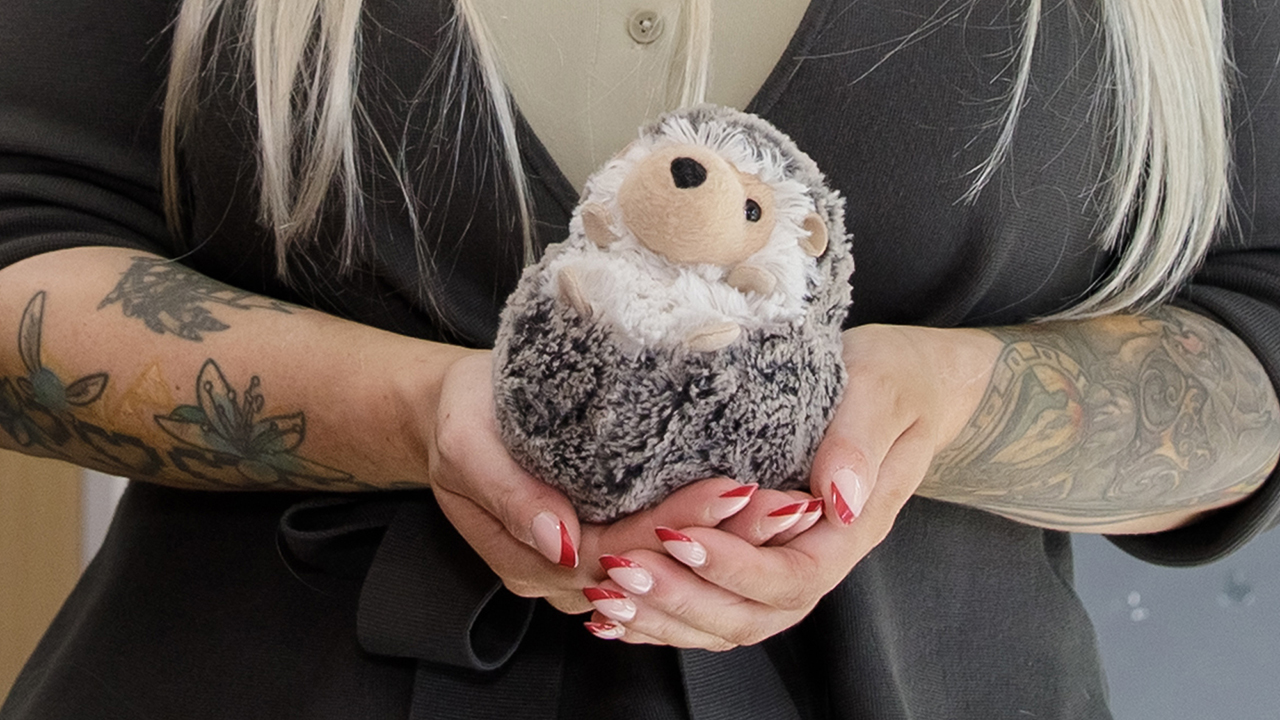
The stuffed hedgehog Erica gave her still sits in her home, a reminder of a difficult chapter in her life — and of the people who helped her through it.
Today, though, it also reminds her how far she’s come.
“These supports matter so much,” says Kayleigh. “They give people something to hold onto when they feel like they’ve been thrown into the deep end.”