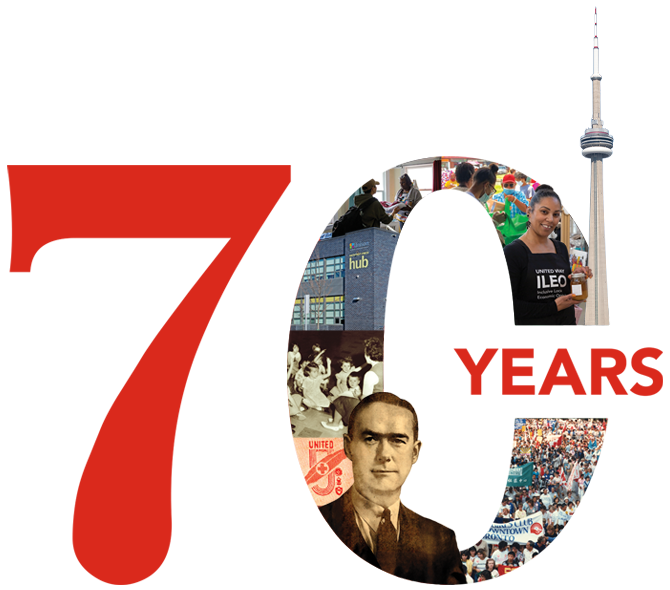
Since our first campaign in 1956, United Way Greater Toronto has been harnessing the power of collective action to meet evolving community needs and address the social issues behind them.
United Way Greater Toronto has always been driven by one goal: to help people build a good life in the community they call home.
At first, we pursued that mission as a fundraiser, pooling charitable giving in support of local social services. But as our region grew and changed — and new and evolving challenges came between people and the opportunity to thrive — we knew we had to evolve, too.
In honour of our 70th anniversary, we’re looking back at the milestones that shaped United Way’s evolution from community fund to community builder — and changed millions of lives along the way.
Building a foundation for collective action | 1956-1982
United Way began with a simple but powerful idea: people can do more for their community when they come together. That belief shaped our approach to funding social services and researching the needs of a growing city. And as our organization grew, so did our focus on engaging the broader community in our mission.
The movement begins
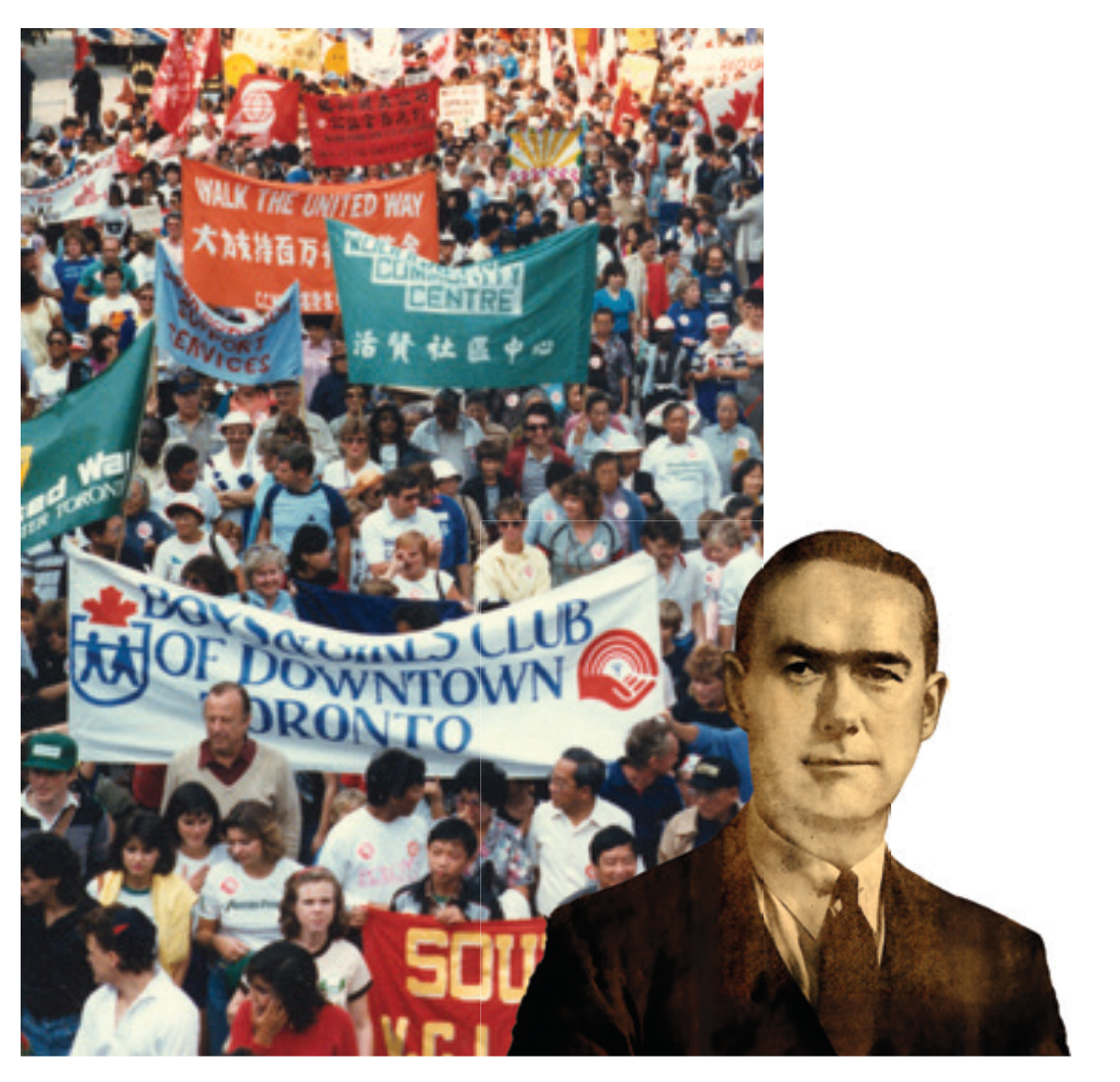
Inspired by an idea from businessman Edgar G. Burton, local business, labour and community leaders come together to create one charitable fund supporting organizations devoted to social health and welfare in Toronto. They believe that by working together, they can do more for the community than they ever could alone.
Their first campaign raises $7.7 million and lays the foundation for today’s United Way Greater Toronto.

Research paves a path for change
United Way collaborates with the city on a groundbreaking study of social welfare, health and recreation in Toronto — the only report of its kind in Canada at the time. Laying out a five-year blueprint for reform, it establishes research as a cornerstone of our work and shows how vision and foresight can drive social change.
The fight against poverty reaches new heights
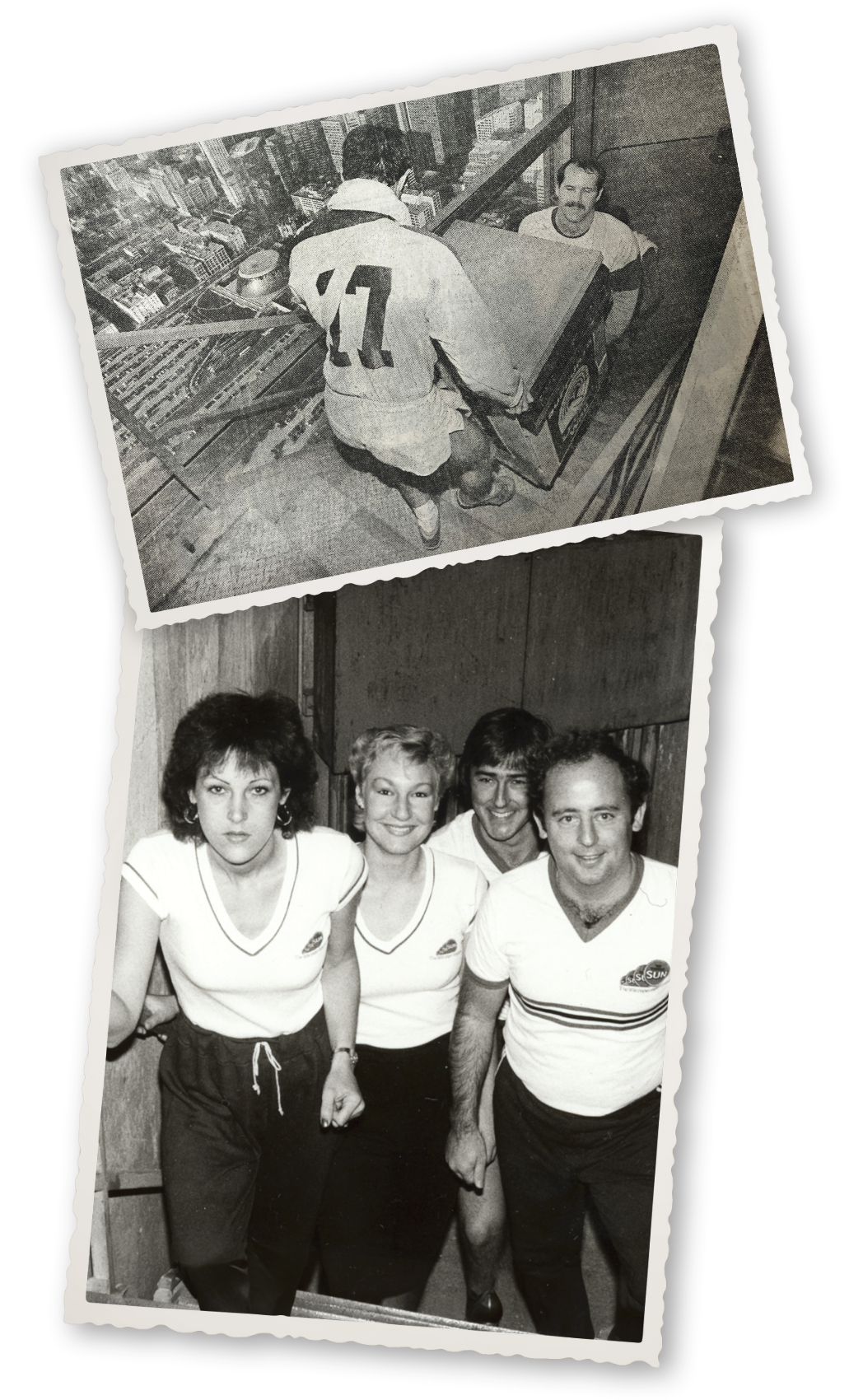
Hundreds of people climb 1,776 steps up the CN Tower in the first United Way ClimbUP. What begins as a fundraising event quickly becomes a powerful symbol of collective action.
Since 1978, more than 340,000 people have stepped up for a stronger community!
Did you know?
(hover for answer)
Guiness World Record
★
In 1986, United Way makes it into the Guinness Book of World Records when Sukhbir Dhillon races to the top of the CN Tower in eight minutes,17 seconds.
Expanding representation and support
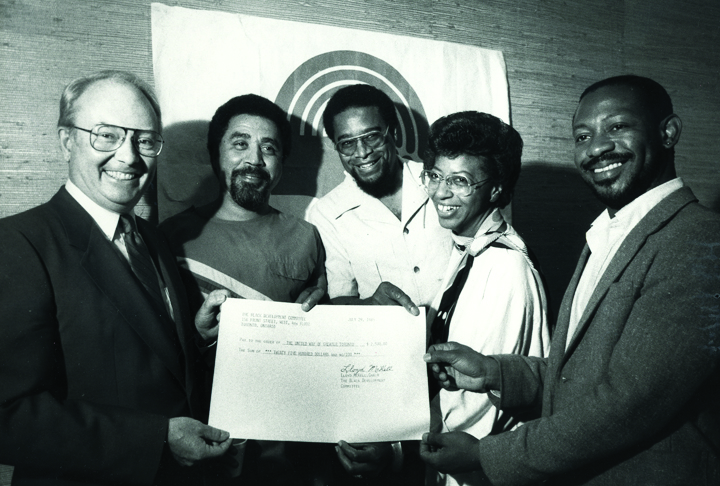
Toronto is becoming more diverse, and United Way listens to communities calling for greater representation and support. We create committees representing the city’s largest cultural communities and expand funding for agencies serving Black and other racialized groups.
That commitment continues today through support for organizations like SMILE Canada, which empowers racialized youth with disabilities. There, Zafeer found mentorship and training that helped him overcome barriers to employment and turn his love of photography into a business.
“The program made it possible to do something I care about.”– Zafeer

Did you know?
(hover for answer)
The foundational partnership between Labour and United Way was formalized by 1982. Rooted in a shared commitment to social justice and strong communities, we go on to work hand in hand over the decades to tackle issues and support working families.
A deeper look at poverty’s challenges — and how we respond to them | 1997–2009
Raising money for community organizations and programs remained a big part of our work. But as hunger, homelessness and other challenges persisted, we started looking more closely at their root causes and what it would take to address them. Our research also showed that poverty was clustered in specific neighbourhoods — a finding that fundamentally changed the way we work.
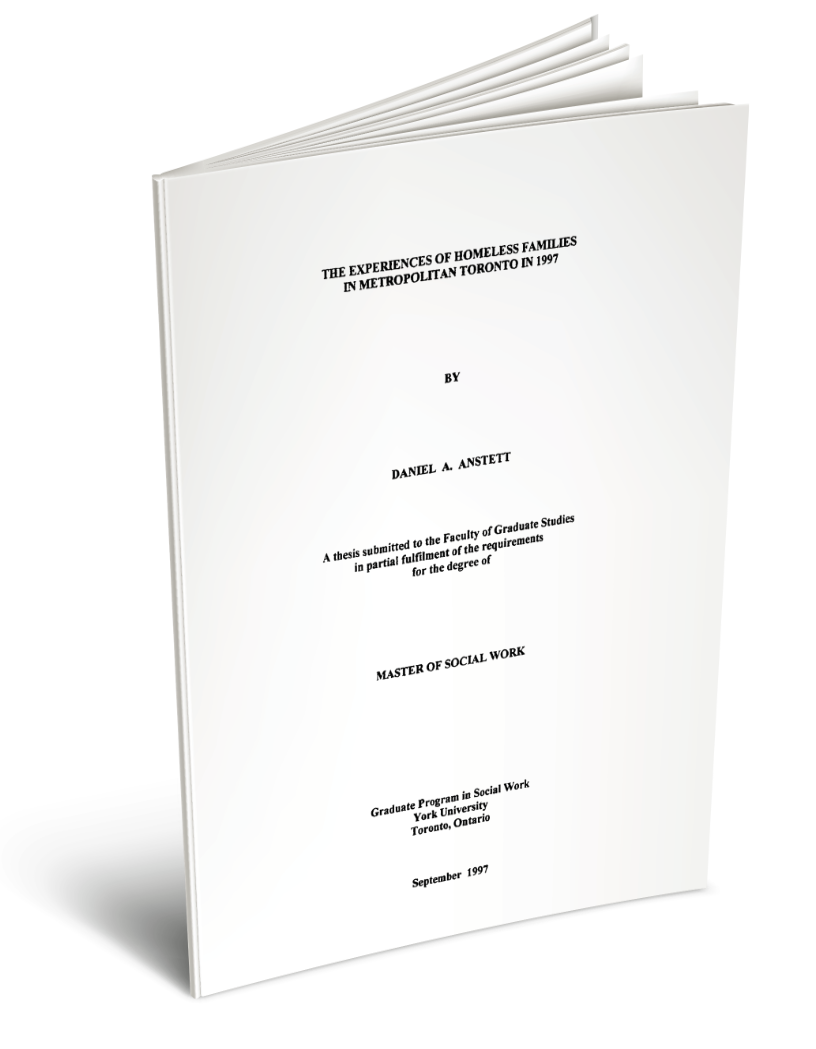
Looking at the root causes of hunger and homelessness
Homelessness and hunger emerge as major concerns across the region. We deepen our work in both areas, recognizing they need more than band-aid solutions. Research like Beyond Survival: Homelessness in Metro Toronto uncovers root causes and points to more strategic, long-term approaches.
United Way’s long-held fight for everyone’s right to a place to call home continues today, and it changed Serpil’s life recently. She was preparing to enter the shelter system when a United Way-funded agency focused on unhoused youth helped her find a safe home, mental health support and the chance to build the future she’d almost given up on.

“The housing program gave me more opportunity to see what I can do for myself.”
– Serpil
Making it easier to find help

United Way becomes a founding partner of 211 — a free 24/7 helpline for people looking for social, health and government services nearby.
Uncovering the geography of poverty
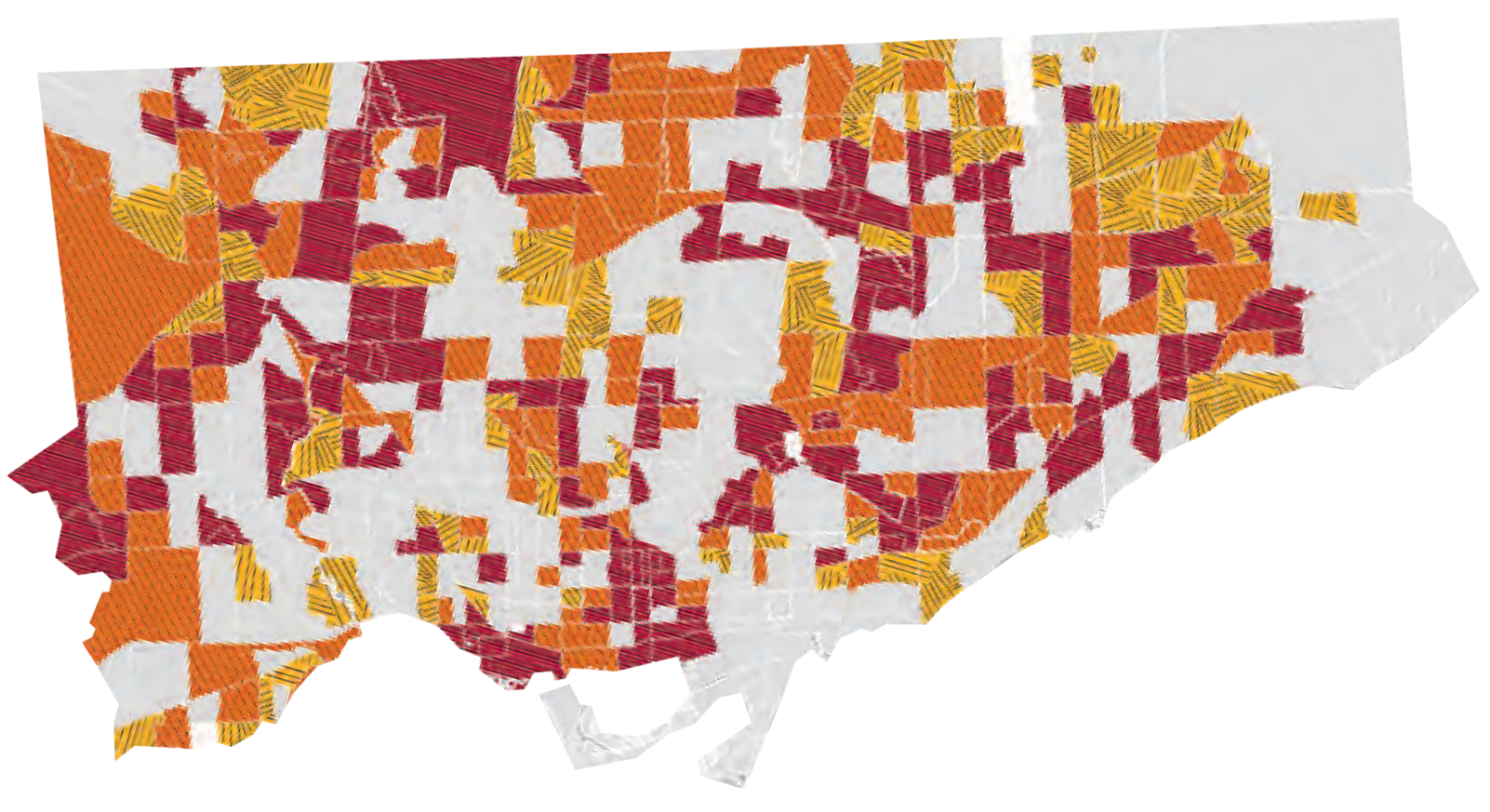
Our Poverty by Postal Code report shows that poverty is becoming increasingly concentrated in Toronto’s inner suburbs and disproportionately affecting marginalized communities. That insight — that where you live can determine access to life’s essentials — shifts United Way’s approach. We begin focusing our attention and resources on neighbourhoods where poverty is concentrated and access to services is limited.
Investing in underserved neighbourhoods
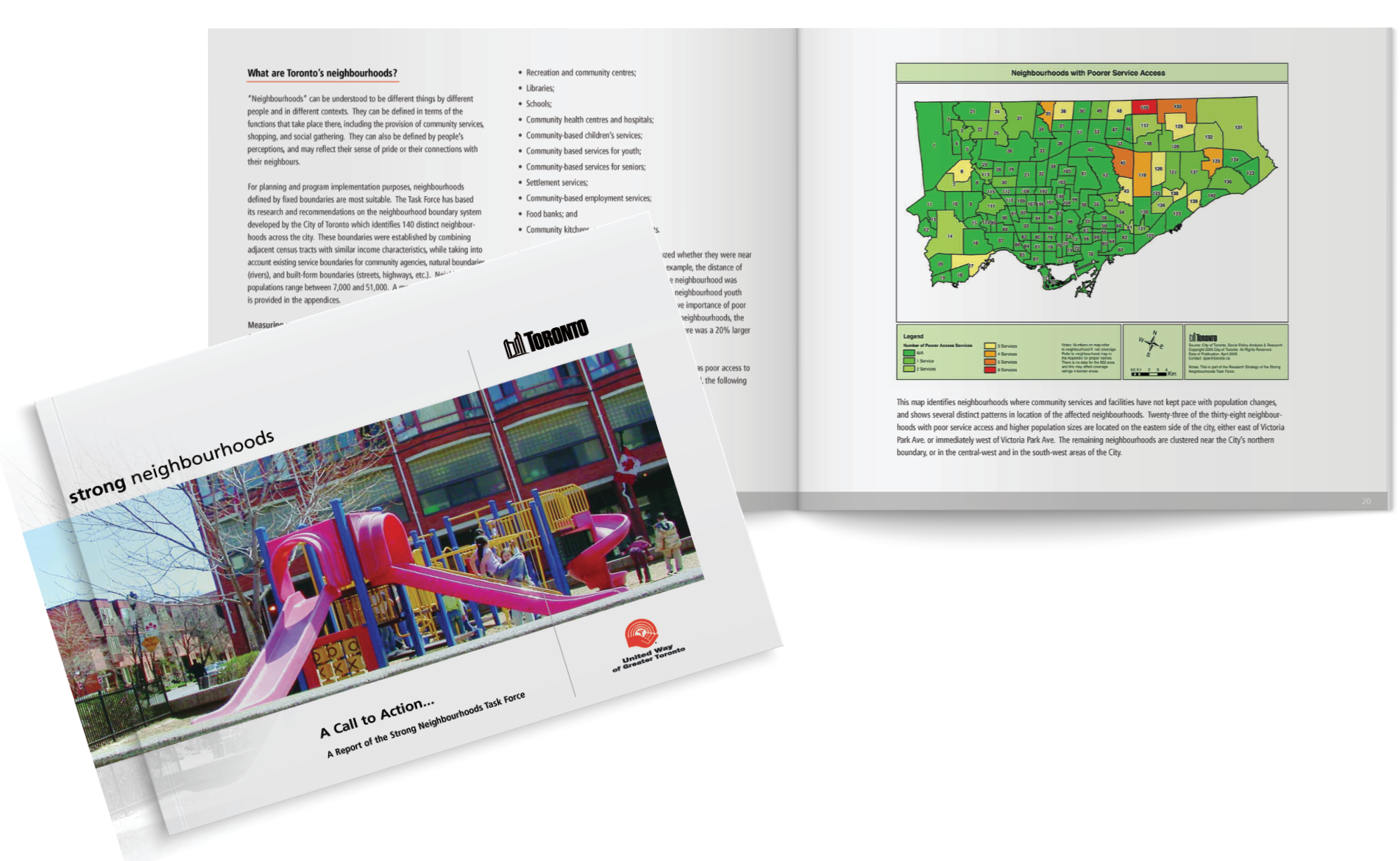
That shift leads to our Building Strong Neighbourhoods Strategy, which invests in community infrastructure in underserved, inner-suburban areas.
Today, Community Action Grants build on that work by giving residents the resources to launch projects for stronger, more inclusive communities. Over $1 million has launched 27 projects, including an arts-based wellness program for seniors and digital skills training for newcomers.
Bringing support closer to home
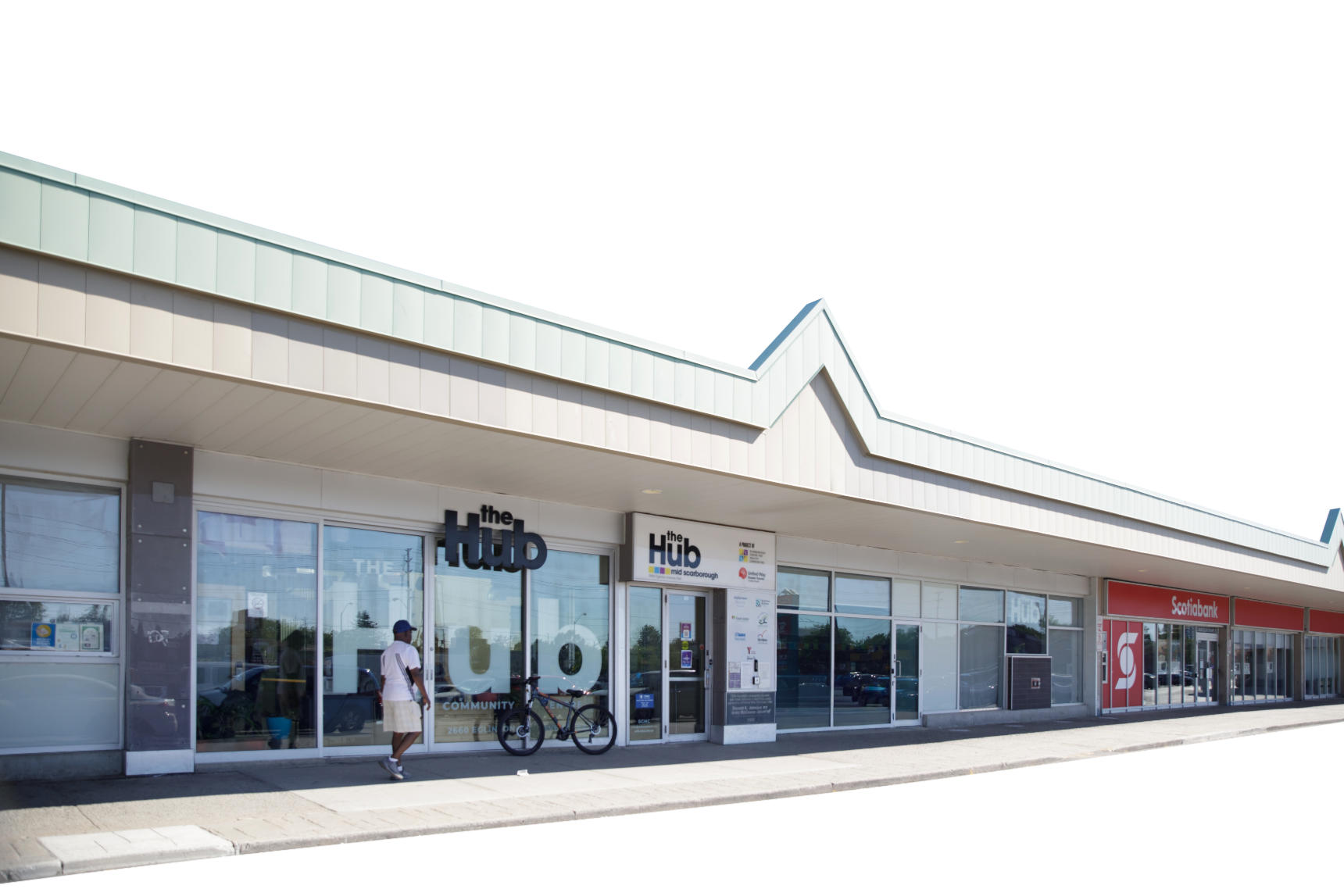
United Way opens its first Community Hub in Eglinton East–Kennedy Park. With social, health and recreation services together under one roof, Community Hubs make it easier for people to find the support they need in their own communities. Today, nine Hubs across the GTA have welcomed 6.7 million visits.

A Community Hub in Rexdale was a lifeline for Nafisa shortly after she arrived in Canada as a refugee. She was struggling to support herself and her daughter, and her mental health was suffering. But inside those doors, she found food, connections to a job and a community she says saved her life.

“It helped me manage my financial situation and also gave me some peace of mind that I had everything, especially for my daughter.”
– Nafisa
Bringing partners together to tackle complex challenges | 2013-2022
By now, we’d come to realize that the issues driving poverty, like housing affordability, employment insecurity and mental health challenges, are deeply connected. No one organization or sector can tackle poverty on its own. That’s when we began convening cross-sector partners around coordinated solutions that have a greater impact on systemic issues and in moments of crisis.
A coordinated approach to preventing crisis
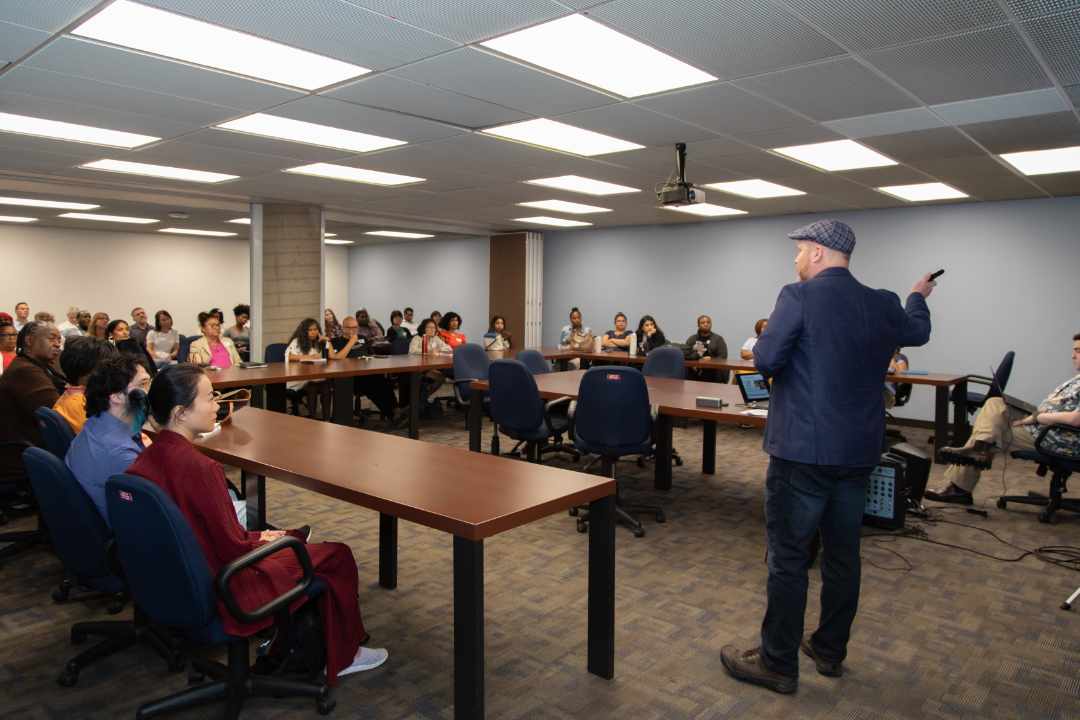
United Way launches FOCUS alongside the City of Toronto and Toronto Police Service. FOCUS brings together 250+ agency partners to identify people at risk of crisis or trauma and connect them to coordinated support.
Since launching, FOCUS has impacted 15,000+ people.
Making sure everyone benefits from economic growth
Scarborough’s Greater Golden Mile is undergoing rapid growth and redevelopment. To make sure that growth benefits the people who already live and work there, United Way and BMO Financial Group convene the Inclusive Local Economic Opportunity (ILEO) initiative. A collaboration between the private, public and community sectors, ILEO creates jobs, supports neighbourhood entrepreneurs and strengthens community-owned businesses. Since 2018, the initiative has generated more than $20 million in financial returns for residents, including Jennifer.

“It’s about community, representation and creating space for underrepresented voices to be seen and invested in,” she says.
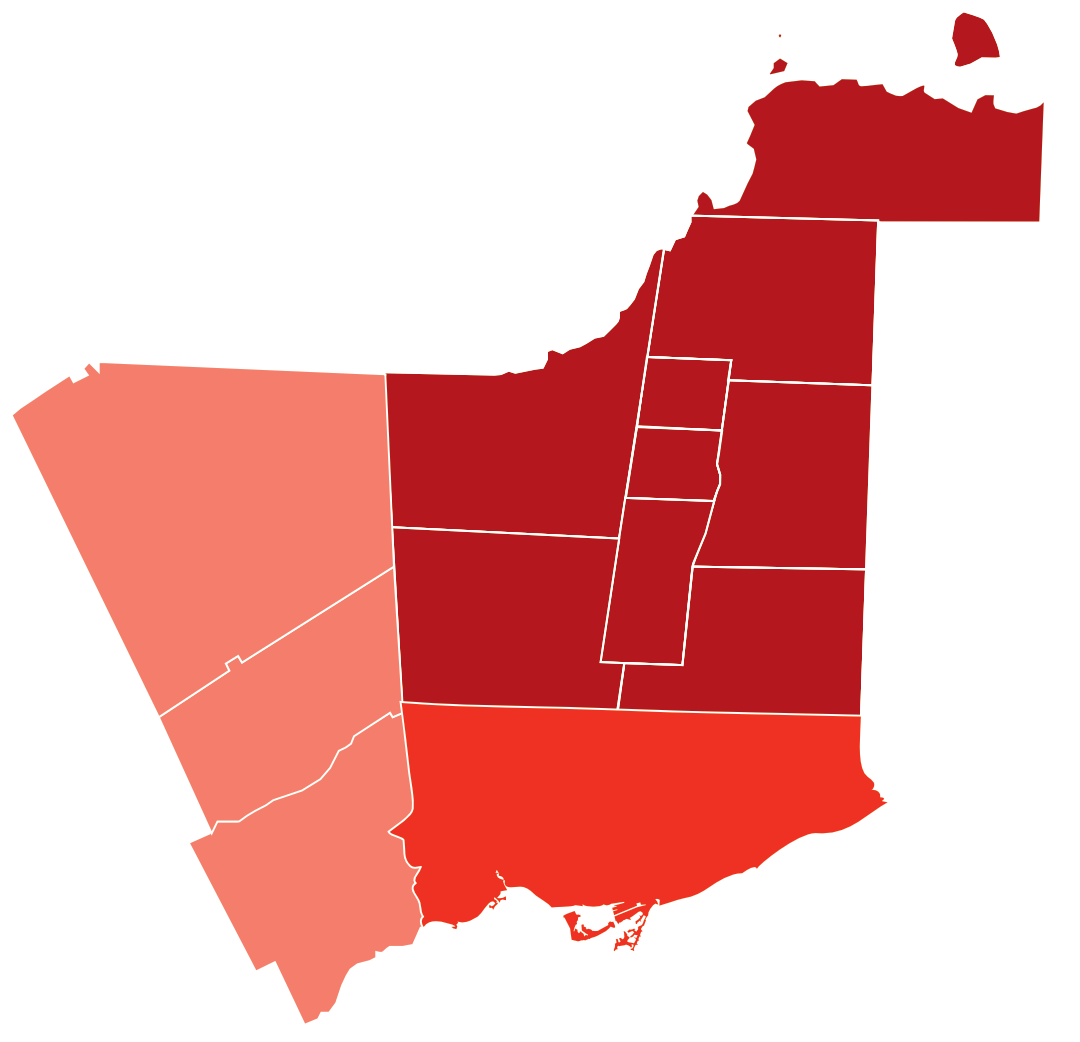
By 2018, United Way of York Region and United Way of Peel Region have merged with United Way Toronto to become United Way Greater Toronto. Working as one means greater investment in communities and greater capacity to address complex social issues and advocate for change.
Bringing housing and health care together
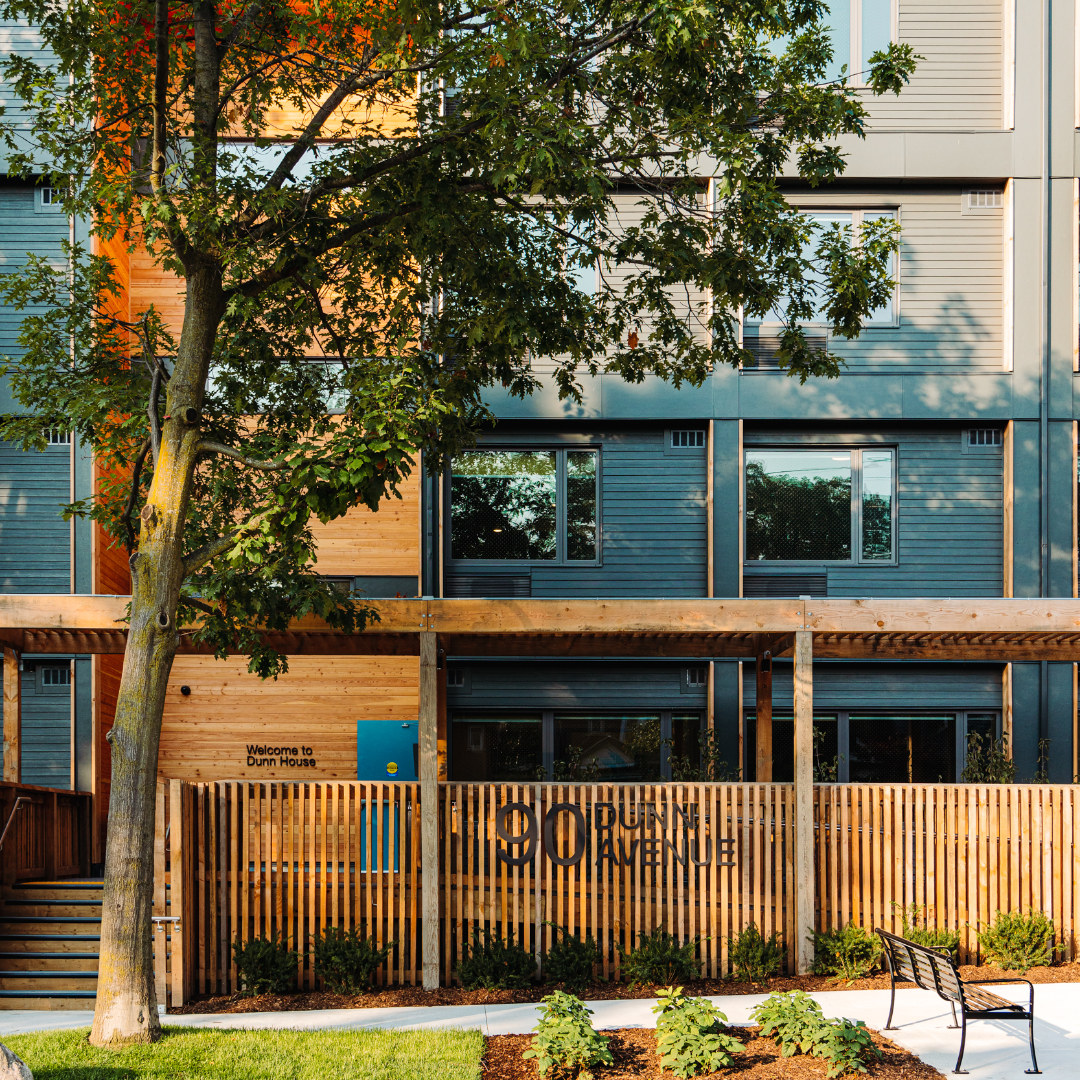
Knowing that a stable home is as essential to health as medicine, we launch the Social Medicine Initiative. This partnership with the University Health Network and the City of Toronto creates 51 affordable homes in Parkdale with 24/7 on-site health care and wraparound supports.
Within a year, residents’ emergency department visits drop by 52%.
Local love in a global crisis
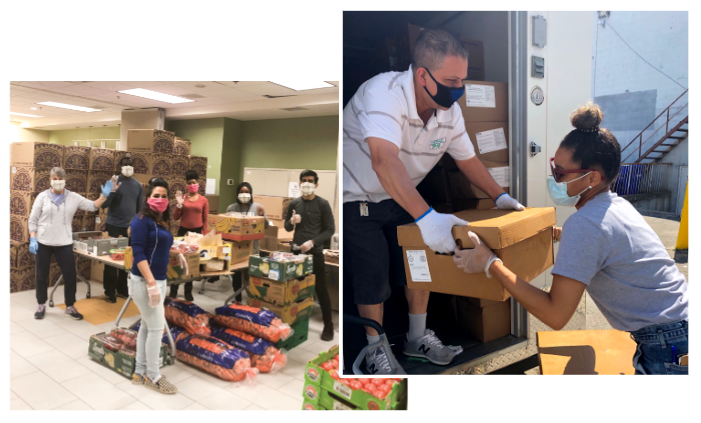
COVID-19 hits and everything changes. Jobs disappear. Food bank lines stretch longer. United Way responds by bringing partners together and raising $14 million in just a few months to help community agencies maintain and expand critical support.
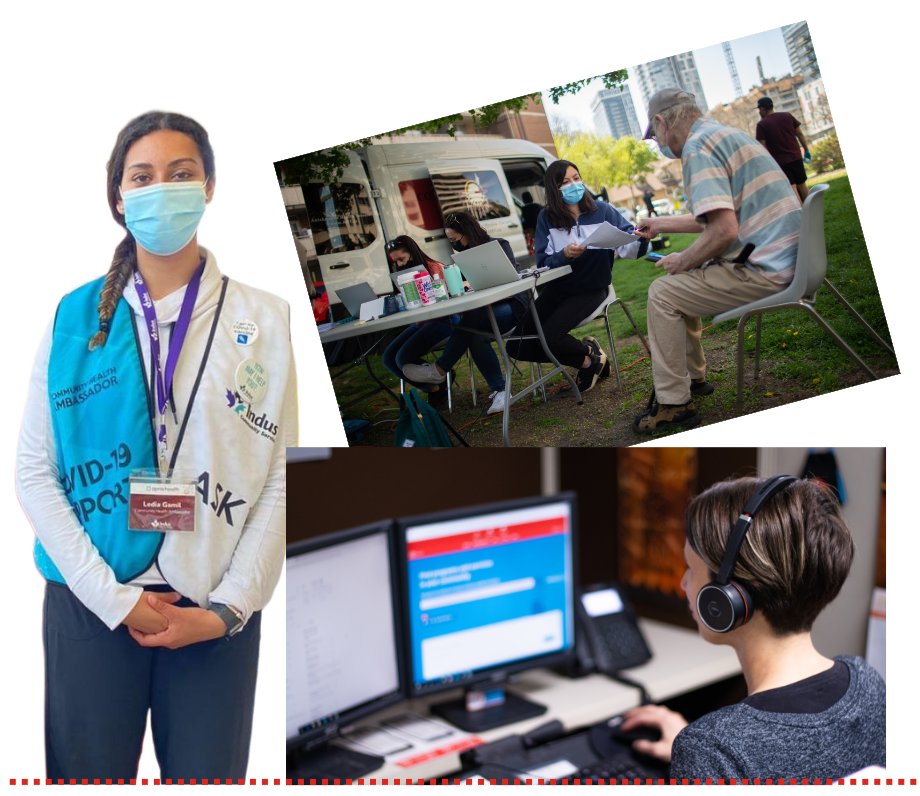
Turning a crisis response into a lasting model of collaboration
Community Coordination Tables, first used to organize rapid food and vaccine access during the pandemic, become vital social infrastructure. These tables bring together frontline agencies, health care, government and community partners to quickly spot and respond to emerging needs and challenges, from youth mental health crises to climate-related disasters.
A better way forward | 2024 and beyond
While meeting today’s needs, we’re also working to build a more equitable future for the GTA. That means securing long-term space for social services in our rapidly transforming cities, addressing systemic barriers and finding different, more compassionate models for addressing chronic challenges.
Protecting community spaces
Community spaces give neighbours a place to find support and connection. But when rising rents start making it harder for community organizations to keep their doors open, United Way steps in with the Community Real Estate Initiative. Through the initiative, we’re helping organizations secure affordable, long-term space and working to open 10 new multi-service Community Hubs by 2035.
Recently, $4 million in capital grants went to help 25 organizations create and renovate their space to meet changing needs.
Tackling systemic barriers facing asylum seekers
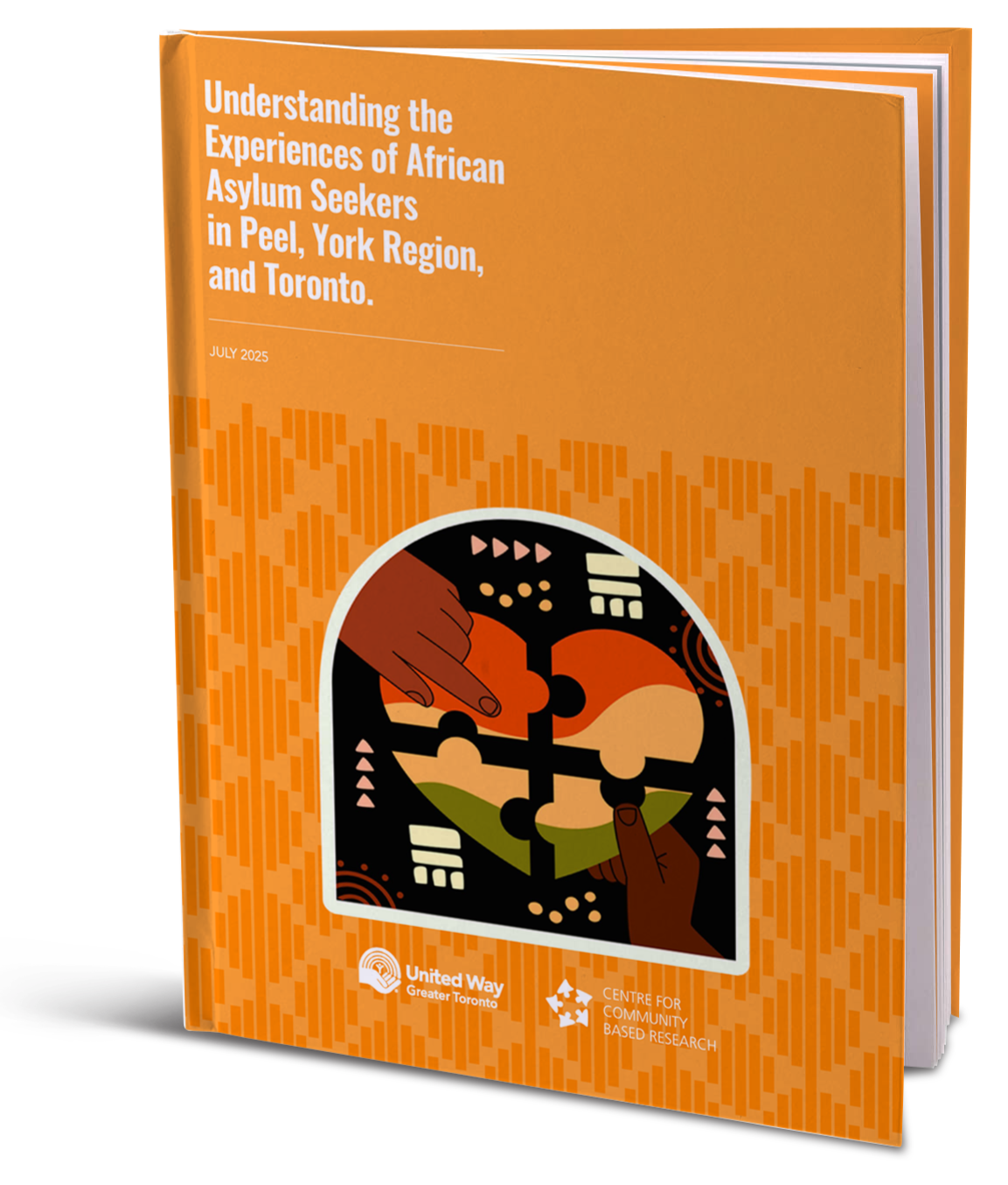
When an influx of African asylum seekers arrived in the GTA in 2023, many faced barriers to shelter and other essential supports due to anti-Black racism and other systemic challenges.
Two years later, we bring partners together to identify how we can better welcome newcomers and document those recommendations in a landmark report: Understanding the Experiences of African Asylum Seekers in Peel, York Region and Toronto.
We’re acting on those recommendations with a $400,000+ investment in community-led initiatives that improve access to housing, employment and culturally relevant care.
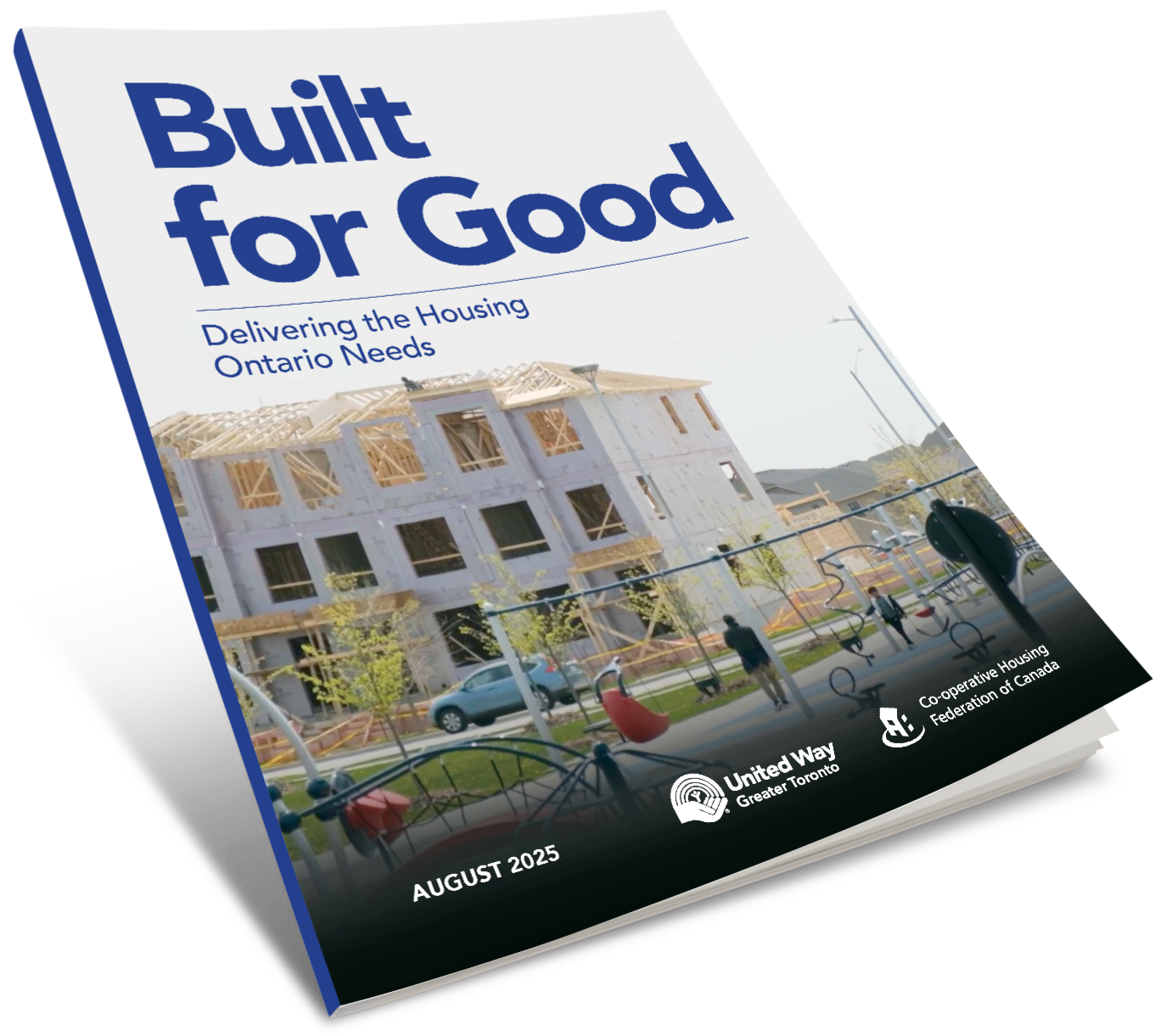
A roadmap for affordable housing
As the housing affordability crisis deepens, United Way releases Built for Good, a 10-year roadmap for tackling Ontario’s housing crisis through the expansion of non-profit and co-operative housing people can actually afford.
A new model for ending chronic homelessness
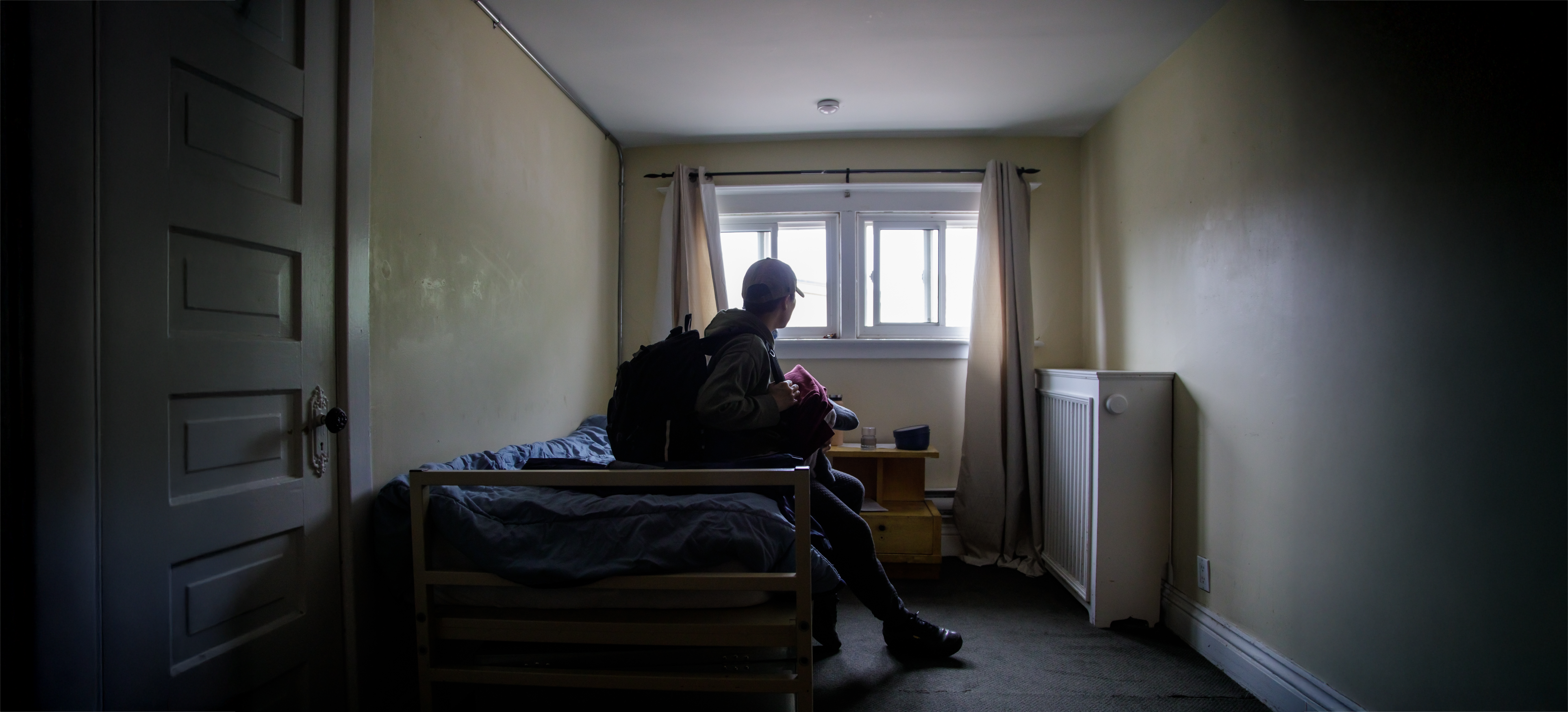
With the launch of the Slaight Family Housing Lab, United Way and St. Michael’s Hospital will bring health care, housing and community services together around a research-backed model that helps people move into permanent housing and stay housed.
When people come together, communities become stronger
A lot has changed over the last 70 years. But our belief in the power of collective action hasn’t.

Every milestone across this timeline was made possible by people who believed things could be better and chose to help make it happen — residents who spoke up for their communities, donors who moved solutions forward, and community, business and government leaders who brought their expertise and resources to strategic initiatives creating affordable housing, good jobs, better health and stronger communities.
There’s so much more we can — and will — achieve in the decades to come if we continue to draw on the strength of deeply caring people coming together. We hope you’ll be right there with us on our way to a GTA where everyone can thrive.