
Photos by Daria Perevezentsev
Heather McDonald will lead the Greater Toronto organization as it advances a 10-year strategy
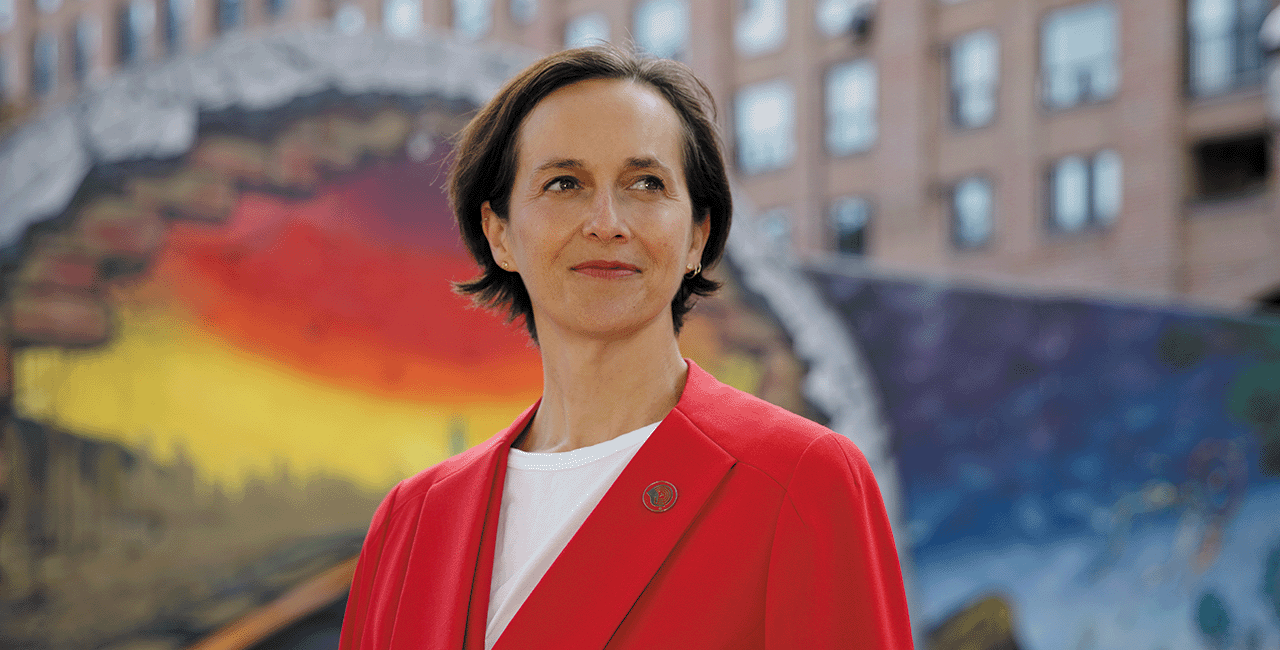
In May, Heather McDonald stepped into the role of president and CEO of United Way Greater Toronto (UWGT). This is a critical moment for UWGT, as it advances a 10-year strategy to expand vital services, secure permanent spaces for community organizations and scale solutions to tackle poverty and inequality — as well as raising $1.5 billion over the next 10 years.
With more than 25 years in the social and human services sector, McDonald most recently served as CEO of LOFT Community Services, one of Ontario’s largest providers of supportive housing and mental health services. Under her leadership, LOFT significantly expanded its housing portfolio and diversified its funding base. Now, she oversees a network of more than 300 agencies supported by UWGT.
We recently spoke to McDonald about her experience in strengthening non-profit infrastructure, why she chose to lead UWGT and what she hopes to accomplish in the coming years.
How did you start in social services?
I have my master’s in social work, so I was always committed to working with people on an individual and community basis to improve their lives and help them reach their full potential. I started out as a social worker but was always drawn to the leadership of teams and coalitions throughout my career. That landed me at a United Way-funded social service organization that provided supportive housing and outreach for people who often fall through the gaps of our healthcare system.
How did you move from social work to leadership roles?
I realized that being a leader in change-making in our communities requires heart and head. So, I actually went back [to the Rotman School of Management at the University of Toronto] and studied business basics.
What that allowed me to do is combine that deep understanding of community needs with the business acumen to ensure we deliver and engage with our corporate and philanthropic partners.
Why did you decide to take on this role at UWGT?
When this opportunity came up to lead United Way Greater Toronto, I was so drawn to it because I’ve always loved working with UWGT as an agency that received funding.
They were so collaborative, so laser-focused on what they were trying to achieve for our communities — and incredible change-makers because of the connections they had.
How does your background help you understand what agencies might need?
My entire career has been in serving people, often people that fall through the cracks, and this is where United Way Greater Toronto puts their emphasis and efforts — on folks that need the help most and neighbourhoods that are facing the biggest barriers to getting services for their communities. That has been my whole career, and now I’m able to approach it with a different set of partners to really make big, bold solutions happen. And that’s what’s got me really excited about this job.
What are some of the challenges coming into this role?
When you think about the financial anxiety that is present in Canada, you are seeing that reflected in one in 10 people using food banks in the Greater Toronto Area. You’re seeing that in people struggling to find housing that they can afford in our communities, and people having to make tough choices between rent and food. This is absolutely the challenge we have ahead of us, and United Way Greater Toronto is right at that intersection of community needs.
What is your vision for the next 10 years?
United Way Greater Toronto just launched an incredibly ambitious 10-year strategic plan. We’re going to sustain the 10 community hubs we have and create 10 more. Hubs are like a one-stop shop for social and healthcare services in neighbourhoods that need it most. So, it improves access to services. It improves quality. It pulls together organizations under one roof, so it increases collaboration across organizations.
Our second goal is a community real estate vision. Seventy per cent of the community organizations we support are at risk of losing their space, and they’re also at risk of then being, in essence, priced out of communities that need them the most. We have a real focus on supporting those organizations to ensure the stability of those physical sites being owned by community organizations and stewarded for generations to come.
What are you most looking forward to in your new role?
I came here because their strategic plan is right on — it’s just the right plan for what our region needs now and into the future. I’m excited to see the innovative solutions we create with our partners and neighbourhoods. To move this forward, we know we need to create 10 hubs, but what those hubs look like, how they materialize and take shape in neighbourhoods, that happens in partnership.
And that’s what’s got me the most excited. I was looking for a bigger, more ambitious opportunity for civic engagement, just personally, where I can work with partners on that larger-scale change. I heard someone say the United Way Greater Toronto is the radical hope that the Greater Toronto Area needs right now. And I think, in a world that feels more and more divided, we need a way forward. I feel this is such a moment in time where United Way Greater Toronto is needed more than ever.
Read more
December 02, 2025
Guiding United Way through the next decade
In this exclusive Q&A, Heather opens up about what drew her to the role of President and CEO and her vision for the next decade of impact across Peel, Toronto and York Region.
By directing federal funding locally and shaping policies rooted in community needs, United Way Centraide Canada helps all 57 United Ways, including ours, do more for a strong community services sector and a better GTA.
November 28, 2025
Building housing for the people who need it most
Our region’s housing outlook is bleak. With insights from United Way’s Built for Good report, this article breaks down how non-market housing works and what it will take to build the affordable homes people actually need.