Women and children fleeing domestic violence in the Greater Toronto Area are facing a compounded barrier after leaving unsafe homes: a severe shortage of affordable housing.
As rental prices soar to record highs, survivors are staying longer than ever in emergency shelters, putting additional strain on resources, and prolonging their exposure to instability and trauma.
Organizations like Yellow Brick House, a York Region-based shelter funded in part by United Way Greater Toronto (UWGT), are stepping in to provide safe spaces, counselling, and transitional support to help survivors navigate this crisis.
Shelter Capacity Under Pressure
Yellow Brick House operates two shelters in Aurora and Richmond Hill, offering 41 beds and 10 cribs to women and children escaping violence.
With only 25 beds receiving provincial funding, the rest are maintained through community donations and corporate partnerships.
The 2025 Gratitude report shows that shelter stays are now two to four times longer than before the housing crisis, leaving women in a difficult position: remain in an already crowded shelter or risk returning to unsafe homes.
“Safe housing is essential for survivors to rebuild their lives,” said Lorris Hernada, the Chief Executive Officer at Yellow Brick House. She has been working there for over 20 years.
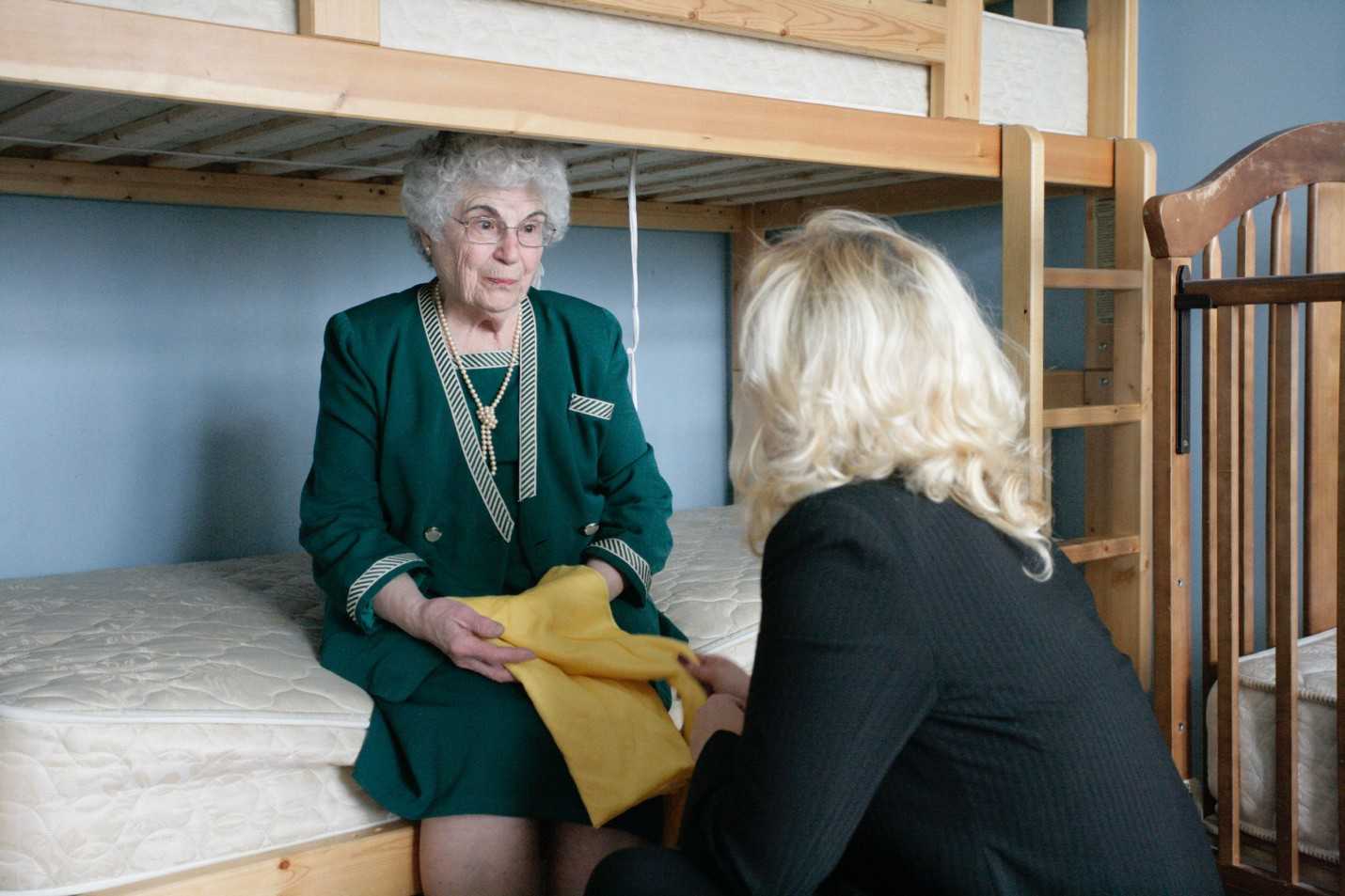
“Without it, the first critical months after leaving an abusive relationship become even more dangerous. That is why programs like ours, supported by United Way and community donors, are so vital.”
Beyond Emergency Shelter: Comprehensive Support
In addition to emergency shelter, Yellow Brick House provides a broad range of services, including mental health counselling, legal support, immigration guidance and child-focused trauma interventions.
Children who have witnessed abuse are offered individual and group counselling to process trauma, build emotional resilience and regain a sense of safety.
Last year alone, the organization provided services to more than 7,000 women and children, including more than 1,900 crisis calls, demonstrating the scale of demand in York Region.
United Way’s Role in Sustaining Programs
United Way Greater Toronto funding is a critical component in sustaining these programs.
The funding allows Yellow Brick House to maintain core operations while expanding services that support survivors beyond the shelter, including transitional housing programs and housing navigation assistance.
These initiatives help survivors move into permanent housing safely, reducing the risk of returning to abusive situations and giving them a chance to regain independence.
The GTA Housing Crisis
The housing crisis in the GTA is a key factor driving the extended shelter stays.
According to the Canada Mortgage and Housing Corporation, rental prices in Toronto and surrounding regions hit historic highs in 2025 and are predicted to continue in 2026.
Subsidized housing waitlists stretch for years, making it nearly impossible for survivors to secure safe, affordable apartments even when they are ready to leave the shelter.
Prevention and Community Education
Beyond direct services, Yellow Brick House invests in community education and prevention programs, reaching thousands of participants in schools, workplaces, and community agencies.
Programs like Healthy Homes, Schools for Change and Elder Abuse Awareness teach communities to recognize, prevent and respond to domestic violence.
By addressing systemic causes of abuse, these programs complement the shelter’s emergency response and help reduce future demand for crisis housing.
Breaking the Cycle of Violence and Homelessness
The connection between domestic violence and homelessness is well established.
Domestic violence is one of the leading causes of homelessness among women and children in Canada. Without shelters like Yellow Brick House, survivors would have even fewer options, and many would be forced to remain in abusive environments.
The combination of housing unaffordability and gender-based violence creates a cycle that shelters, donors, and organizations like United Way are working hard to break.
Pathways to Stability and Hope
By providing immediate safety, emotional support and pathways to long-term stability, shelters not only save lives but also empower survivors to rebuild their futures.
United Way Greater Toronto’s funding ensures these programs remain sustainable, highlighting the importance of community investment in addressing intertwined social challenges.
As the GTA housing market shows no signs of slowing, the role of shelters like Yellow Brick House becomes even more critical.
For women and children escaping abuse, shelters funded and supported by organizations like United Way provide more than just a roof—they offer hope, stability, and a chance to thrive despite daunting circumstances.

This story was produced as part of a partnership between Centennial College journalism students and United Way Greater Toronto.