At United Way Greater Toronto, (UWGT) listening comes first – to the communities’ needs, to potential solutions and to what support the community needs to get there.
UWGT recently accepted grant submissions for three communities: Cooksville, Jane Finch, and South Markham. Decisions on granting are shaped by input from the community as to their priorities and proposed actions to achieve those goals.
Juneeja Varghese is Senior Manager of Community Initiatives at UWGT, and her team is responsible for the grant-making process – designing and launching calls for proposals, reviewing applications, finalizing contracts and later evaluating the projects once they begin.
Agencies provide front-line feedback throughout the process. “We recognize that agencies know best where they need funding, and we offer that flexibility when possible.” Along with that, the UW team convenes discussion tables with local agencies, the City of Toronto, and other community partners.
Hearing direct anecdotes from community members, either beneficiaries or leaders of programs, “is a validation to the work that gets done. Seeing grassroots and local groups be able to make good use of those funds is meaningful. We’re at a hyperlocal level making an impact.”
Varghese recalls a senior community resident who left a voicemail during the pandemic in 2020. “She was stuck in her home and really appreciated the meal supply that was provided from an agency because she didn’t have anybody to come and take her to the agency.”
UWGT is the largest non-government funder of social services in the GTA. With support from their network of agencies and partner organizations, they help sustain a vital social safety net across Peel, Toronto and York Region.
These new community grants are one funding stream that UW offers; there are also a 3-year and a 5-year granting plan. The multi-year funding provides a consistency which enables agencies to plan without concerns about future funding.
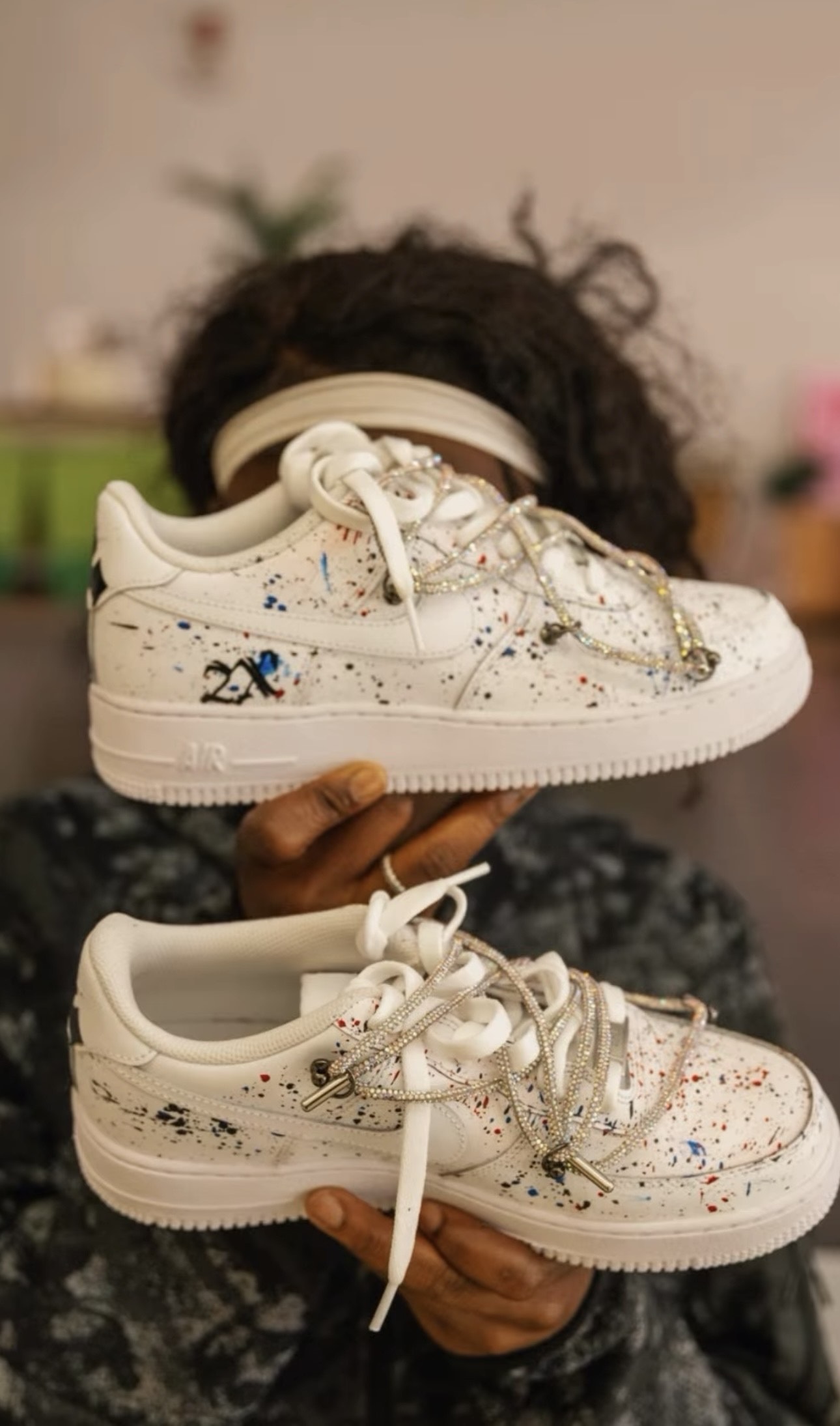
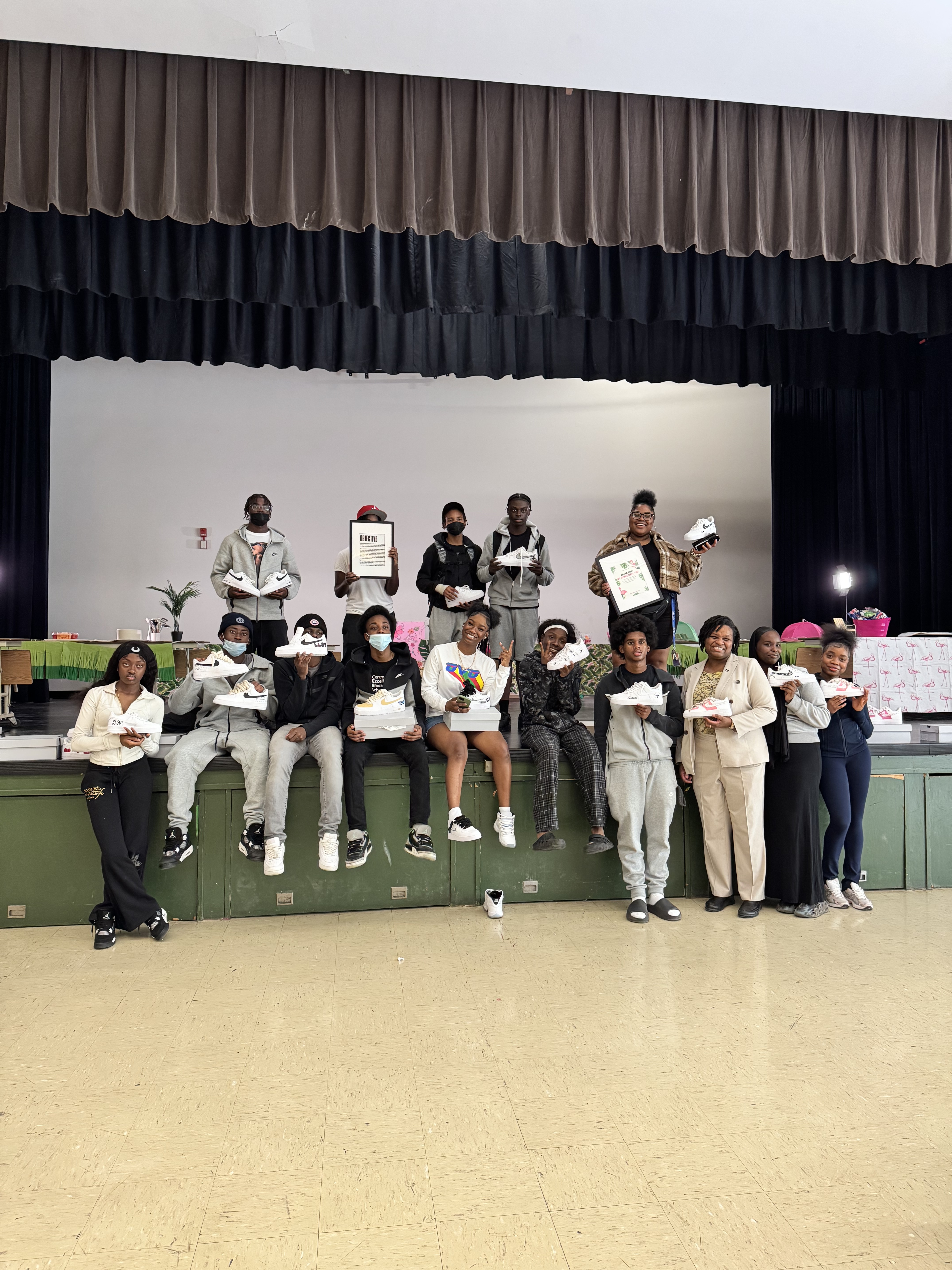
One of the groups UWGT recently funded through the community grants is The Neighbourhood Group in the Jane Finch community. The youth program is innovative in the way it uses art to process loss and support healing.
“At a high level, it seems like: when there’s so much poverty happening, do we need this [art] as well?” But Varghese says healing programs can be just as essential as practical supports. While Jane Finch has recently seen lower levels of gun violence, healing support remains essential. This became apparent when young people in the art program would share their experiences. “Hearing youth say, ‘I would not have been doing as well now if I hadn’t been part of the program,’ is enormously rewarding”, says Varghese.
“We recognize that our work has to be adapted to what the local community needs, and it may not be the same across neighbourhoods,” she adds.
That adaptability is what allows neighbourhoods to lead the work rather than being shaped by it. It’s a model that strengthens the community by ensuring solutions are shaped by the people who live in them.
This story was produced as part of a partnership between Centennial College journalism students and United Way Greater Toronto.