A more grounded look at what’s possible—and what still needs work
The opening of the Eglinton Crosstown LRT on February 8, 2026, marks an important moment for Toronto. After years of construction and uncertainty, the line’s launch signals a shift from planning to opportunity. But for many communities along the new line, opportunity is not a guarantee. For communities from Mount Dennis to the Golden Mile, many of which have long faced underinvestment and displacement pressures, this is less a finish line and more the start of a new, complex chapter.
The LRT introduces new opportunities, but realizing them will depend on sustained commitment from government, community partners, and the private sector to ensure that the benefits of infrastructure and investment land where they are needed most.
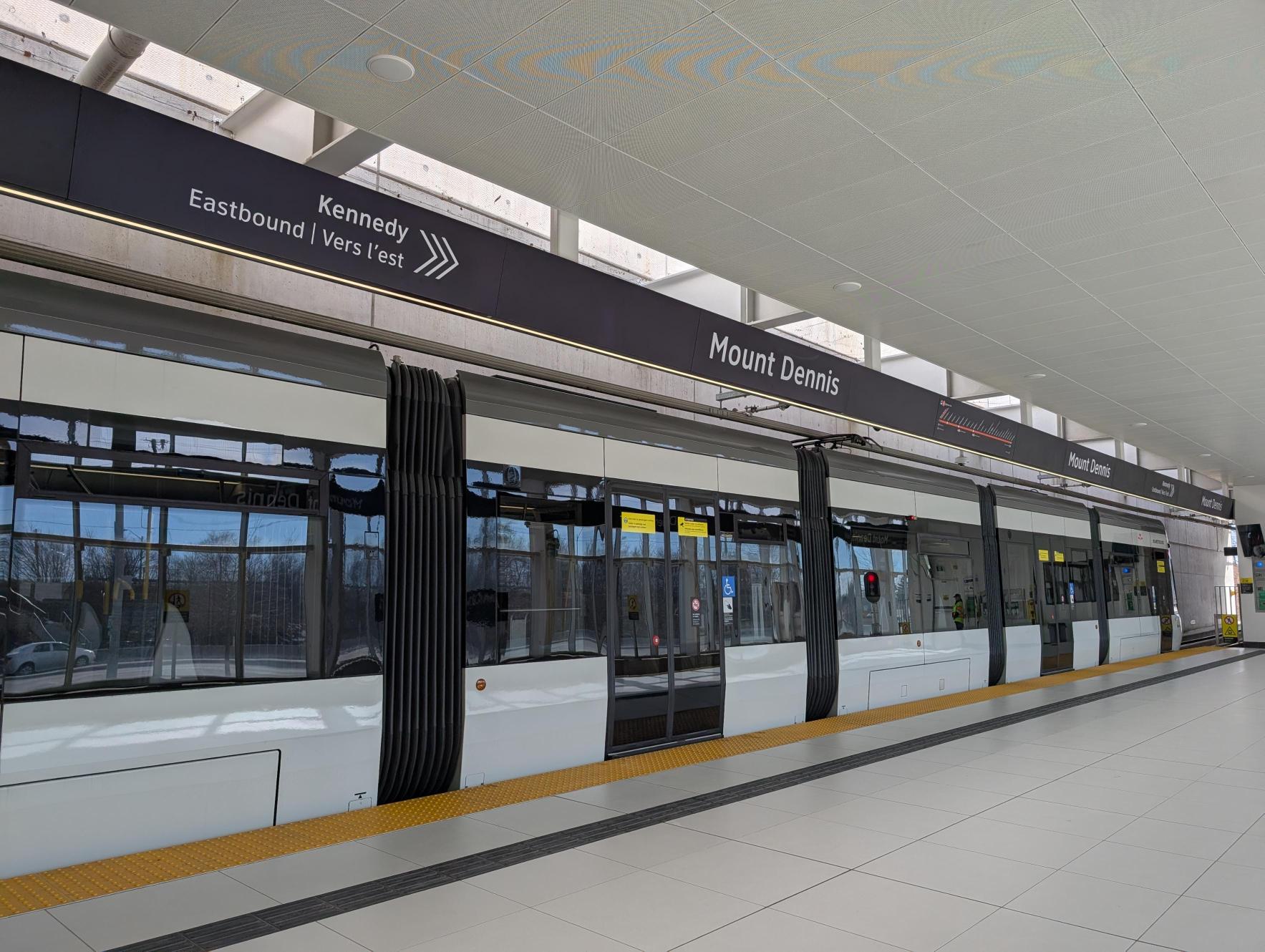
A Corridor of Opportunities, If We Choose to Prioritize Them
The Crosstown does not automatically transform neighbourhoods. But it creates the conditions for change in three significant areas:
1. Economic Opportunity, Requiring Intentional Supports
With 25 new stations, the corridor has the potential to become a connected ecosystem of local businesses and community hubs. However, many independent businesses along Eglinton have weathered years of construction impacts, leading to the loss of important social and economic spaces in the neighbourhoods where they operate. Local businesses will need targeted supports to maintain their presence in communities connected by the new line. That means marketing and promotion, small‑business resilience programs, and development that complements, rather than replaces, what already exists.
Rather than assuming increased foot traffic and spending will reach local businesses with the opening of the LRT, coordinated strategies will be needed to ensure long‑standing businesses have a real chance to benefit.
2. Better Access to Jobs, But Barriers Remain
Faster east–west transit, as well as increased connectivity to existing transit lines, opens doors to employment across midtown and beyond. For residents in neighbourhoods like Weston Mount Dennis, where unemployment rates have historically been higher, reliable transit can reduce commute times and expand job search radius.
But access isn’t only about distance. Skills training, equitable hiring practices, and partnerships with major employers will be critical to turning transit access into actual job opportunities.
3. Transit Oriented Development and Housing
The opening of the Crosstown LRT has created new opportunities to build housing near rapid transit, which provides current and future residents with access to faster and affordable transportation options. Tens of thousands of new homes have already been approved or built in close proximity to the new line.
Investment in transit can also create upward pressure on rents and affordability. In communities like the Greater Golden Mile, where a large portion of existing housing stock is in affordable yet aging buildings, opportunities exist to ensure that new growth does not displace longstanding residents. Creating affordable units, retrofitting older buildings, and scaling non-profit housing models are important areas for collaboration between residents, public, private and non-profit partners.
4. Public Realm Improvements That Need to Match Community Priorities
The Crosstown LRT has triggered investments in streetscaping, parks, and public spaces. These improvements will help make Eglinton more inviting and accessible to visitors of all backgrounds. Still, community voices need to be involved throughout the process to ensure that future upgrades, like public art, park facilities, and pedestrian infrastructure, reflect local identity rather than generic urban design templates.
The work of creating vibrant public spaces is long-term, iterative, and shaped by ongoing resident input.
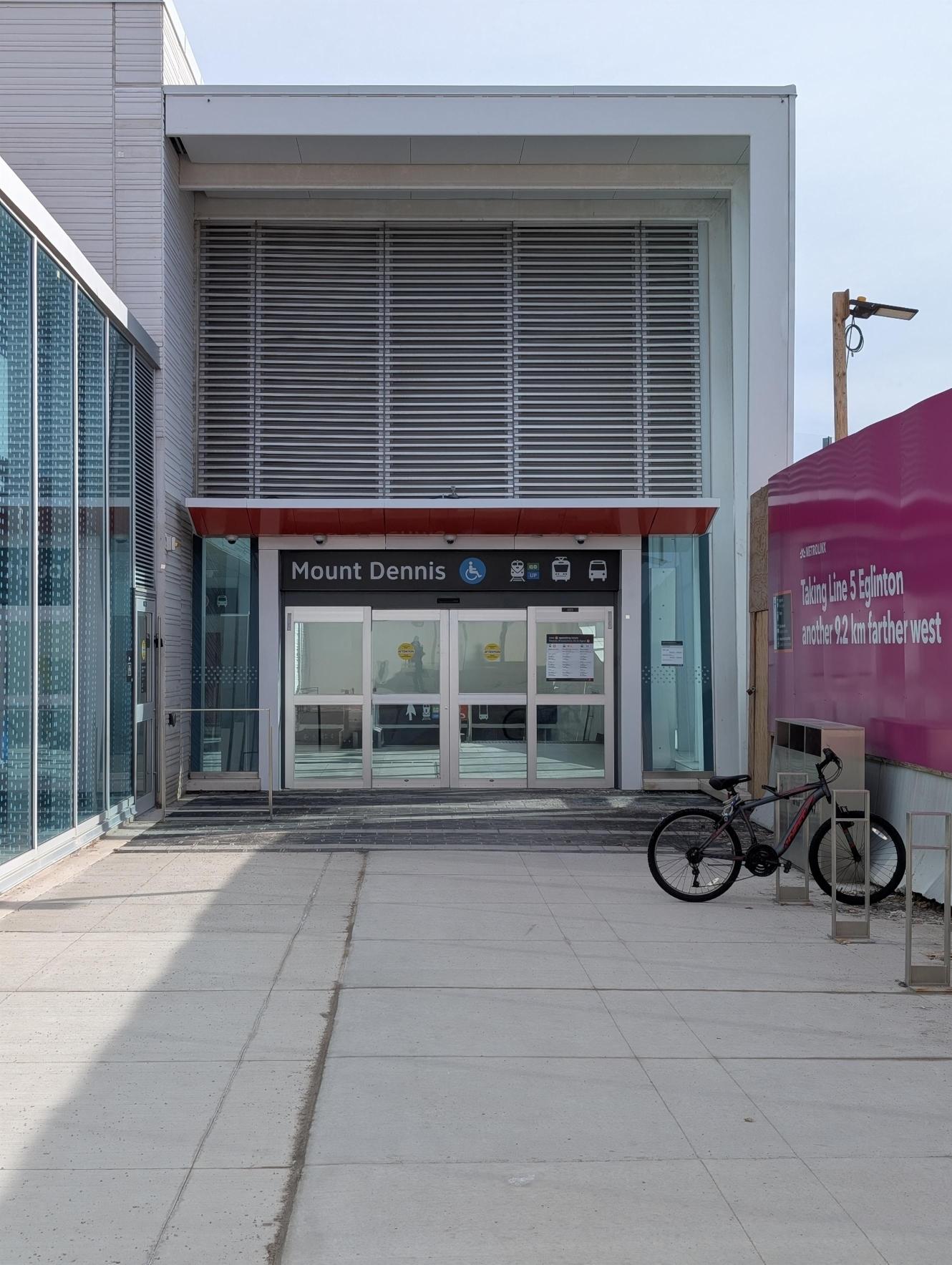
A More Connected Future—Shaped Together
The Eglinton Crosstown LRT will make midtown one of Toronto’s most transit-connected corridors. That level of connectivity can attract new development, new investment, and new residents. It can also heighten concerns about displacement, affordability, and cultural erasure, particularly in neighbourhoods that have historically borne the cost of infrastructure without always sharing in the benefits.
The question now is not whether the LRT will bring change, but how do we ensure that the change strengthens existing communities rather than relegating them to the margins?
If we get it right, the Crosstown LRT can help build a more inclusive, economically vibrant, and connected midtown Toronto. If we don’t, we risk repeating old patterns.
The LRT is here. What comes next will depend on how we choose to build around it.
About the ILEO Initiative
To learn more about how United Way Greater Toronto, BMO Financial Group and other private, public and community partners are working together to ensure the benefits of this development flow to existing residents check out the Inclusive Local Economic Opportunity Initiative (ILEO).