United Way is filling gaps in support for families of children with disabilities
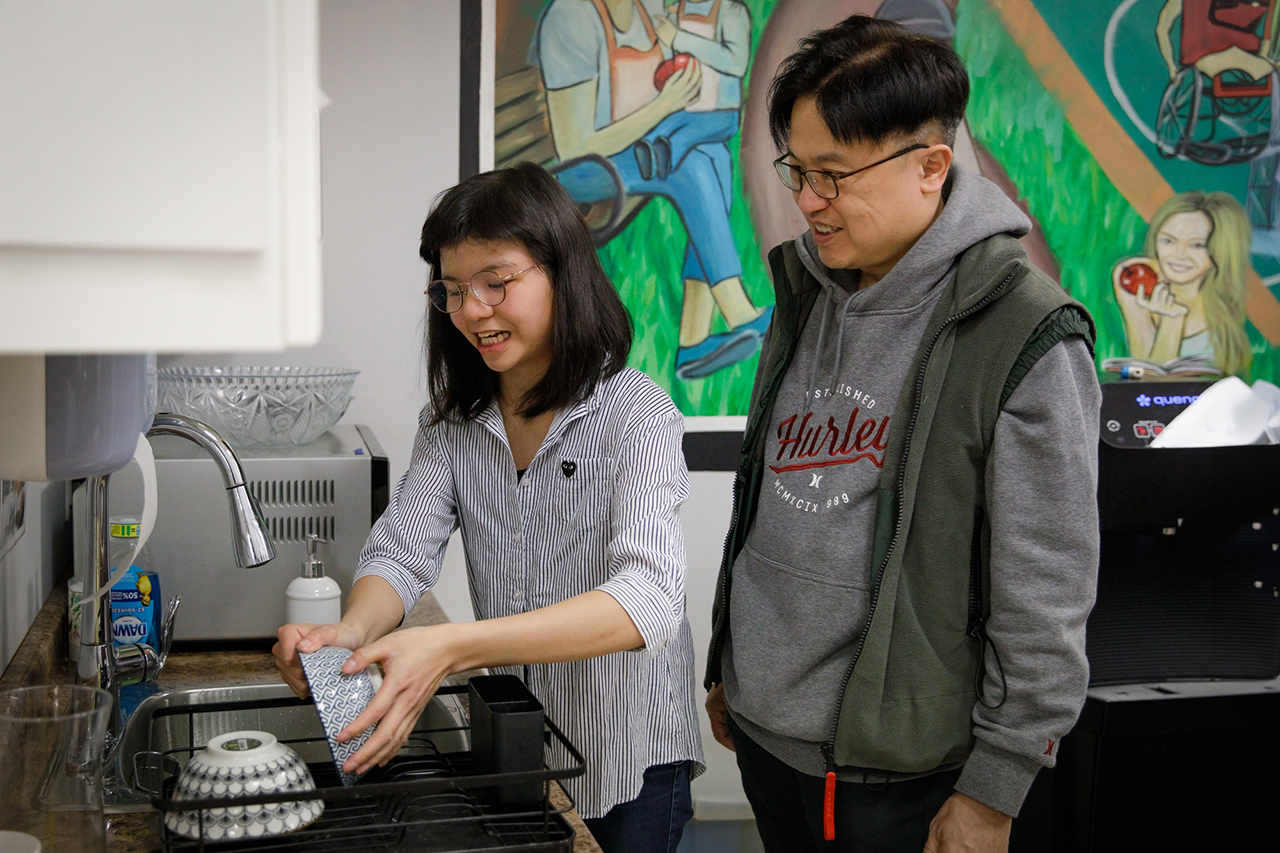
Ivan stands beside his youngest daughter at the kitchen sink, watching 18-year-old Bernice add soap to the running water and swirl the rising bubbles.
Some teenagers might grumble about chores. Not Bernice. She’s always eager to help, whether it’s vacuuming, folding laundry or tackling a sink full of dishes.
“Bernice is my sweetheart,” says Ivan. “She has a gentle heart and loves helping people.”
These tasks are about more than keeping the house clean. They’re therapeutic for Bernice, and a way for Ivan to help his daughter develop her motor and life skills. It’s just one part of the profound and constant role Ivan and his wife carry: caring for a child with a developmental disability.
Parental strength pushed to the brink
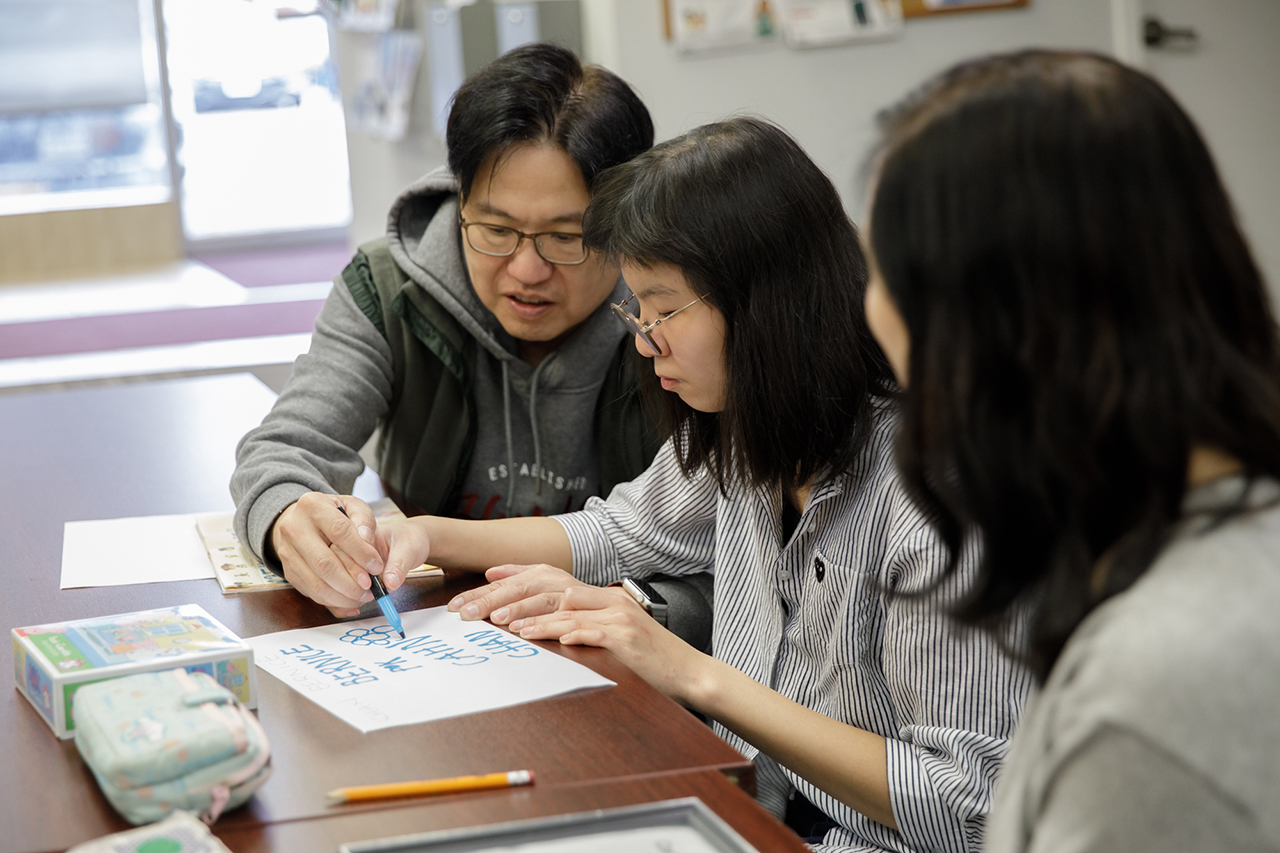
Bernice lives with PACS1 syndrome, a rare genetic condition that brings medical challenges and affects her intellectual development, speech and motor skills.
Much of her early life in Hong Kong was spent in hospital beds, with Ivan sleeping nearby so he never had to leave her side. In 2021, he and his wife moved their three children to the GTA in search of better support and a better future for Bernice.
Here, Ivan remains by her side. From the moment she wakes up, he helps with dressing, washing and meals.
“Caregiving isn’t a 9-to-5 job,” Ivan says. “It’s 24 hours a day. And what people don’t see is the constant planning, the emotional stress and the worries about the future. It’s overwhelming.”
Adding to that overwhelm is having to navigate a complex service system. The waitlists, endless phone calls and confusing paperwork required to access supported living services, therapies, funding and more are a heavy responsibility shared by many caregivers of individuals with disabilities — and one that can be especially challenging for newcomers.
Ivan experienced this while trying to secure an individual education plan — his key to the classroom accommodations Bernice requires.
“There’s a lot of paperwork, and I’m pretty good with English, but it’s a new system. I was afraid of making a mistake that would delay Bernice’s schooling.”
Ivan reached out to a few organizations for help. Community Living York South (CLYS) responded right away. Through their United Way Greater Toronto-funded Community Support Program — one of 30+ United Way programs supporting people with disabilities across the GTA — he connected with a service coordinator who spoke his language and helped get Bernice into a school she loves.
Then came a question Ivan didn’t expect: How else can we help?
A weight lifted. For the first time since arriving in Canada, Ivan felt the relief of having someone in his family’s corner.
Relief for the realities of caregiving
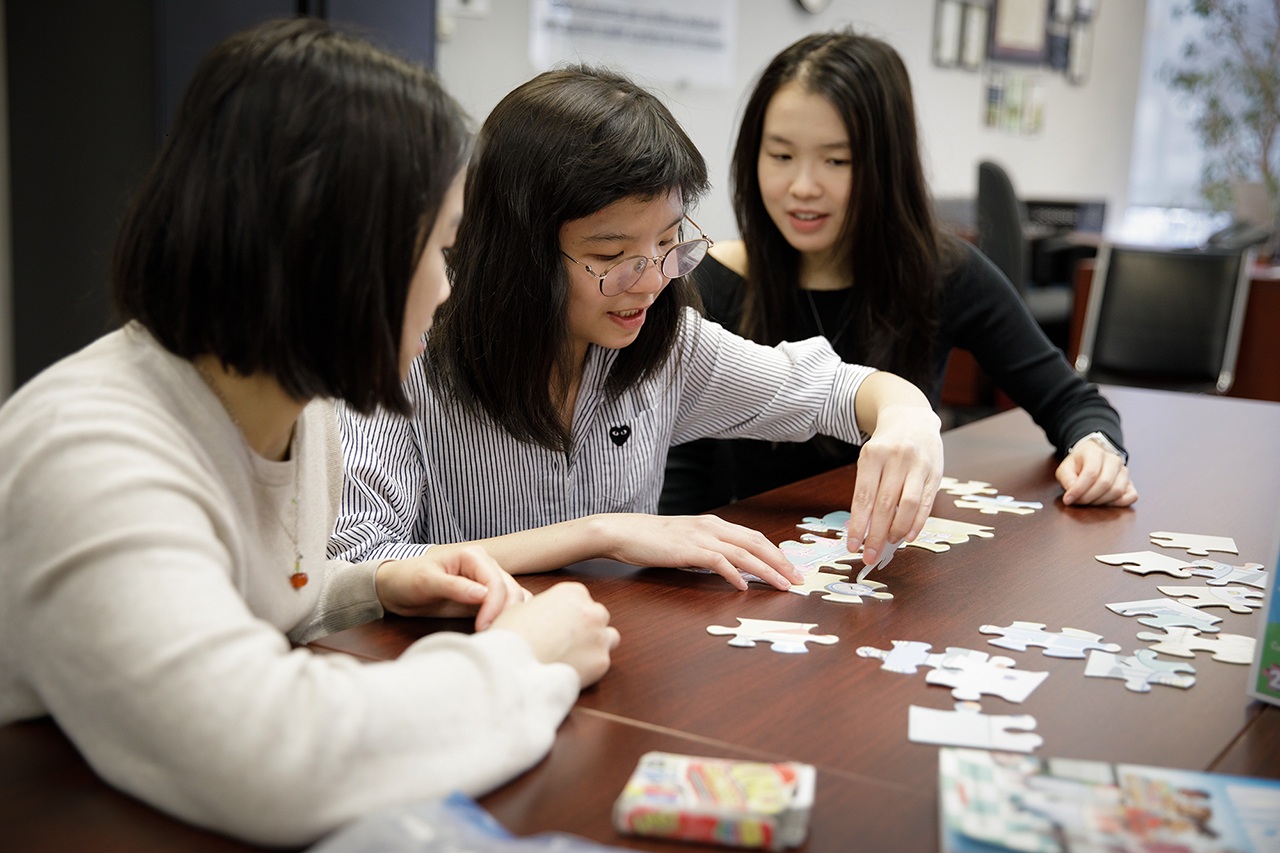
Ivan was invited to join Care Connect, a Cantonese-speaking network for caregivers and parents of individuals with intellectual disabilities created with the support of CLYS. Members share advice on everything from funding opportunities to sensory-friendly restaurants. Ivan feels better after socializing with others who understand exactly what he’s going through.
“Having a child with a disability, it can be hard to ask for help,” Ivan says. “We need to meet others who are wearing the same shoes.”
Through that network, Ivan found CLYS workshops on topics like supporting a child’s communication skills, sensory needs and transition to adulthood. They’ve given him tools to better support Bernice. But it’s been difficult to juggle the specialized care and heightened supervision she needs with work. At different points, Ivan and his wife have had to leave jobs or reduce their hours. Add in the extra costs of raising a child with a disability, and the financial strain sets in quickly.
“We don’t have many resources,” says Ivan. “My wife wasn’t working before, and I just got laid off a year ago, so it’s been hard.”
The family pays out of pocket for programs and has always done what they can to give Bernice meaningful childhood experiences. When Bernice wanted to learn to ride a bike and the $3,000 adaptive model was too expensive, Ivan modified an old bike by adding support wheels.
Since connecting with CLYS, things have been more manageable. Coordinators helped Ivan get funding through programs like Assistance for Children with Severe Disabilities and Special Services at Home, which helps cover the cost of medications and community activities.
Funding opened the door to something else Ivan needed: respite. With financial assistance, Ivan was able to enroll Bernice in a social skills group and CLYS’s summer camp. She’s grown her confidence and creativity by making art with new friends while Ivan and his wife take back time to rest and recharge.
Overcoming barriers to caregiver support
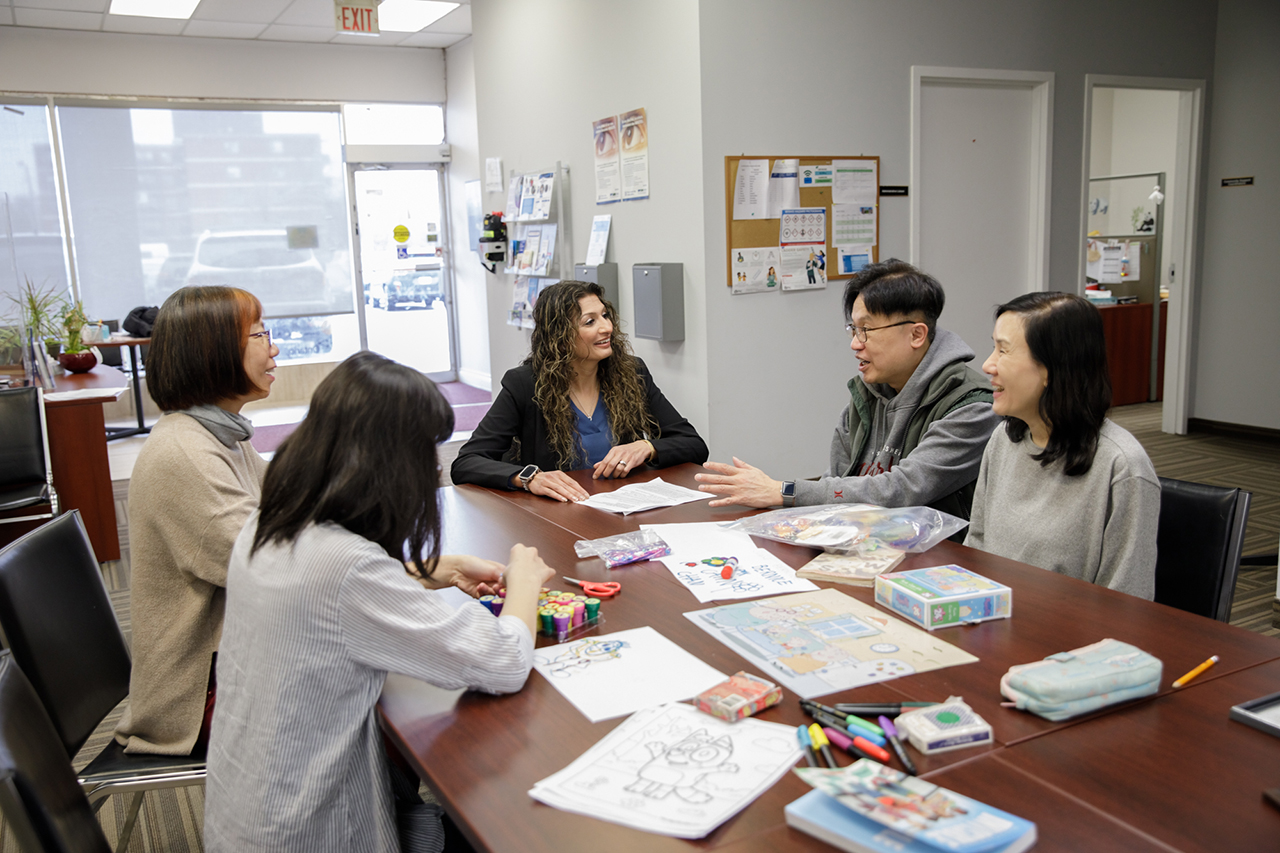
We all need support to navigate life’s challenges. But for many people with disabilities and their families, that vital support is buried in a complex system strained by underfunding and limited capacity.
“Our sector hasn’t received the investments that other sectors, like health care, receive,” says Ritu, CLYS’s Director of Community Development. “Provincial funding for developmental services hasn’t kept pace with population growth or need, which leads to structural shortages and years-long waitlists for things like supported living or day programs.”
United Way is committed to building strong neighbourhoods where everyone can get what they need to live with dignity, possibility and joy. That’s why we invest in organizations like CLYS. They’re closing gaps with immediate, individualized and culturally responsive support in a system that too often leaves people with disabilities and caregivers on their own.
“They’ve been helping us with all aspects of raising a kid with a disability,” says Ivan. “From finding a school to accessing resources, funding and tax benefits.”
This investment is critical. CLYS’s uniquely designed and culturally relevant service coordination for people with developmental disabilities is not available anywhere else in York Region.
“If this wasn’t available, the impact on individuals and families would be catastrophic,” says Ritu. “We have more than 2,500 people in our database. The need is high and grows each year.”
Ivan can’t imagine where he’d be without CLYS. With help to shoulder the caregiving load, he shows up each day with more energy as he guides Bernice toward a life of purpose and happiness.
Recently, Bernice won a volunteer award at school for holding doors open for students returning from recess. Ivan is proud to see his daughter’s caring nature shine at the school he found with CLYS — where this bright new chapter began.
“We’ve been changing a lot with the help of United Way and Community Living York South. Our family feels less alone because we feel supported. We feel understood and we feel hopeful. United Way, thank you so much for helping us.”